
Last updated November 15, 2026
 Wrought iron
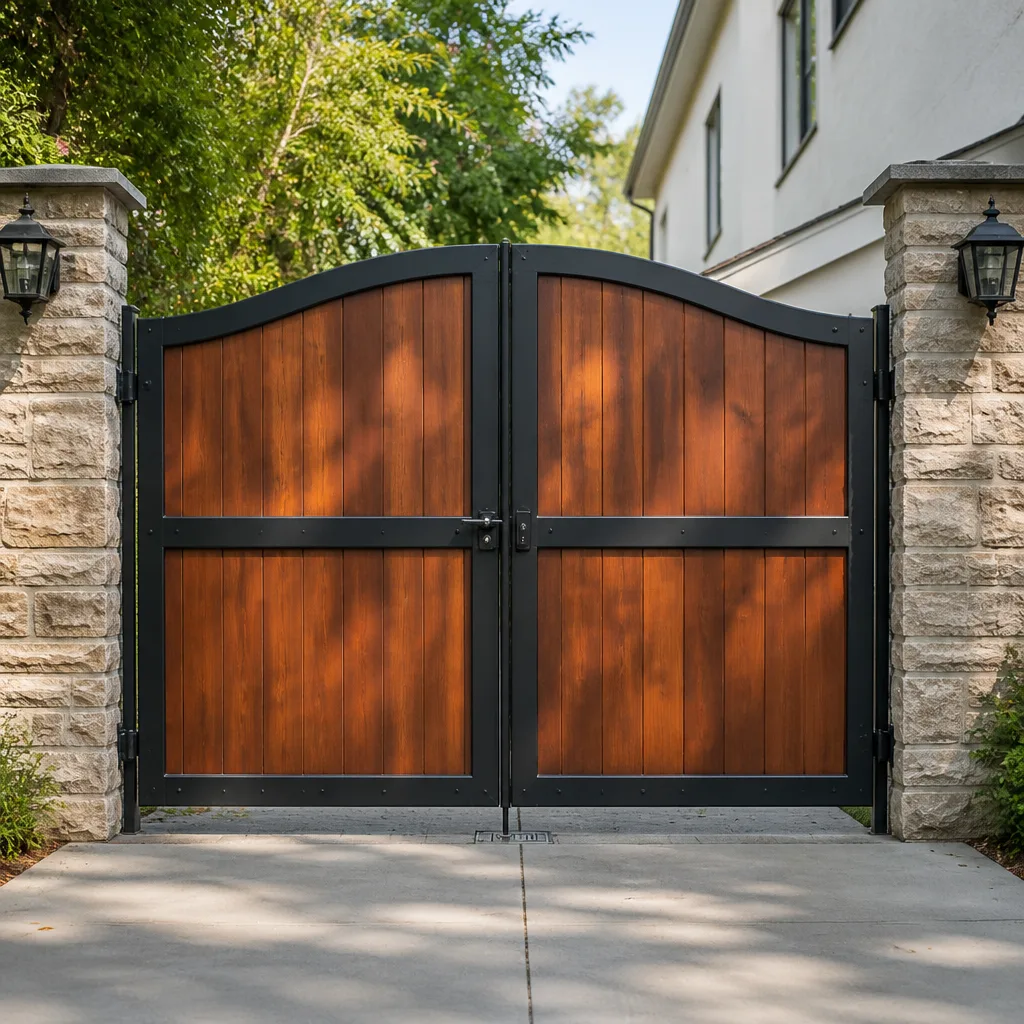 Wood & steel frame
 Farm & ranch
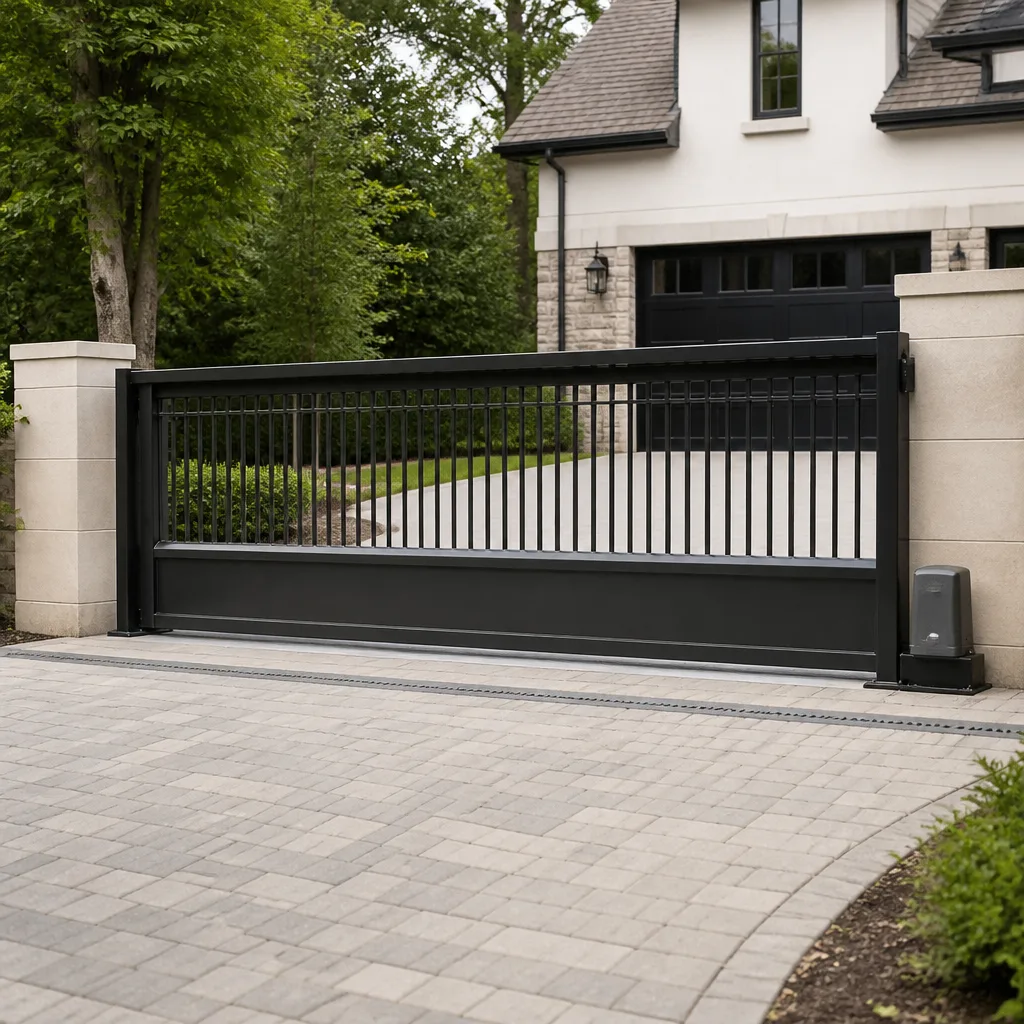 Sliding driveway gates
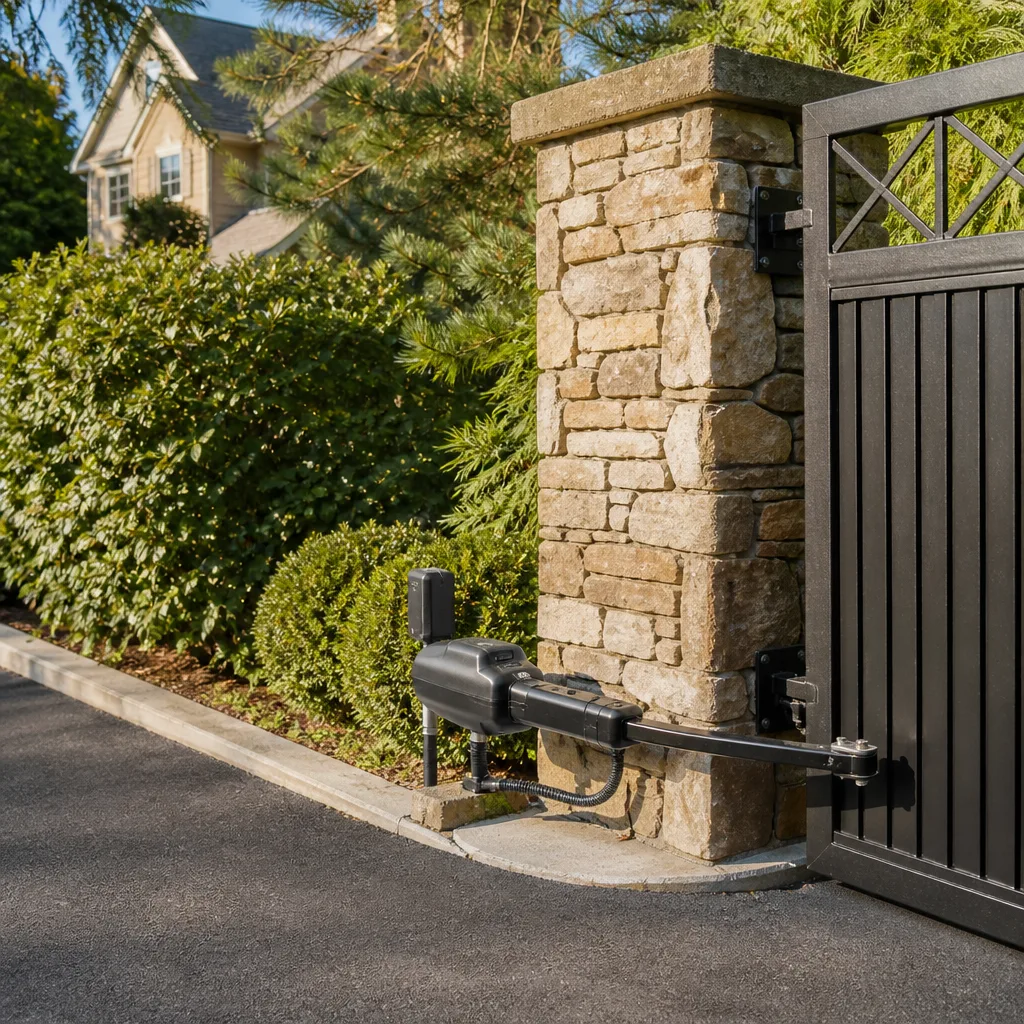 LiftMaster operators
Free on-site gate assessment - hinges, posts, and your LiftMaster or Nice gate operator checked before anything is quoted
The assessment is free and the quote is the invoice.
Get your free estimateGate Repair Maintenance Schedule: What to Do and When
Lubricating your gate operator every three months sounds responsible. But if you’re using the wrong lubricant on a worm-drive system, you’re speeding up the exact failure you’re trying to prevent. Most gate maintenance schedules are written for a mild climate that doesn’t exist here. Knoxville gets humid summers, hard freezes, and heavy leaf fall, and each of those events stresses a gate system in a different way. In this guide we replace the generic quarterly checklist with a trigger-based maintenance model built for East Tennessee: what to do, when to actually do it, which lubricant goes where, and the three measurements you can take yourself to catch drift before it turns into a repair call. If you’d rather hand it to someone, our Gate Repair Knoxville page covers what we do.
Quick Answer
For a gate in Knoxville, a maintenance schedule should be driven by events, not by the calendar. That means: inspect after the first hard freeze of winter, clear and check after any storm drops debris, exercise the system after long periods of non-use, and do a full mechanical and electrical check twice a year. Wipe and correctly lubricate hinges and the drive mechanism seasonally, test the battery backup monthly, and log the gate’s open and close times so drift gets caught early. Typical maintenance visits run $150 – $300 per job depending on gate type, with the written estimate setting the final price.
Styles & brands we work with
- Wrought iron
- Wood & steel frame
- Farm & ranch
- Sliding driveway gates
- LiftMaster operators
Table of Contents
- Why Trigger-Based Maintenance Beats a Calendar Schedule in Knoxville
- The Freeze Trigger: What to Check After the First Hard Freeze
- The Right Lubricant for Each Component (and What Mixing Them Up Does)
- Storm and Leaf Debris: The Fall and Spring Triggers
- The Three Measurements to Take at Every Service Visit
- Battery Backup Maintenance for Knoxville’s Outage Pattern
- How to Log Gate Performance So Drift Gets Caught Early
- The Full Knoxville Maintenance Calendar
Why Trigger-Based Maintenance Beats a Calendar Schedule in Knoxville
A calendar tells you it’s the first of the month. It doesn’t tell you whether your gate just went through a 20-degree night, a week of humid 90s, or a windstorm that packed the track with oak leaves. Those events, not the date, determine what your system actually needs. A gate that sat through a mild, dry stretch and a gate that got hammered by a hard freeze can be on the same “quarterly” schedule and be in completely different condition.
East Tennessee’s climate gives a gate operator a specific sequence of stress. Summer humidity works on exposed metal and on the seals around a control board. Fall drops a heavy load of leaves and seed pods into slide tracks and swing clearances. Winter brings enough hard freezes to stiffen grease and stress hinges. Spring is a wet, muddy stretch that pushes grit into rollers and pivots. A calendar schedule ignores all of it.
A trigger-based schedule means you respond to conditions instead of dates. In practice it looks like this:
- After the first hard freeze: check hinge stiffness, operator force, and that nothing has cracked or loosened from a freeze-thaw cycle.
- After any storm with debris: clear the track, check the photo-eyes and loop detector for interference, and run a full open-close cycle.
- After extended non-use: exercise the system before you rely on it again, since a gate that sat unused for weeks can have a seized hinge or a low battery you won’t know about.
- Twice a year: a full mechanical and electrical inspection, the deep version of the check.
If you run a commercial property or an HOA entrance, triggers matter even more. A gate stuck open in a community with controlled access is a security gap and an HOA compliance problem, not just an annoyance. This is exactly the reasoning behind our gate repair approach: react to what the system is telling you, not to a printed schedule.
The Freeze Trigger: What to Check After the First Hard Freeze
The first real freeze of the season is the single most useful maintenance trigger in Knoxville. Cold does three things to a gate system. It stiffens grease and oil, so moving parts take more force to move. It shrinks and stresses metal, which can reveal a hinge pin or a bracket that was already marginal. And it can freeze moisture that got into a track or a pivot during the wet weeks before.
After that first hard freeze, this is what to check:
- Hinge and pivot stiffness. Open the gate by hand if it’s a swing gate. It should move smoothly with modest effort. A hinge that suddenly feels tight is telling you the lubricant has stiffened or moisture got in, and it will force the operator to work harder.
- Operator force and travel. Run a full open-close cycle and watch for hesitation, a slower swing, or the operator reversing on its own. On a brand like LiftMaster or Elite, a force limit that trips earlier than usual usually means the gate got harder to move.
- Track or guide clearance on slide gates. Ice and grit can collect in the track or under the guide rollers. Clear it and check that the gate rides without binding.
- Photo-eye and safety-edge function. Cold can make wiring brittle and shift alignment. Block the beam with your hand and confirm the gate reverses.
One thing we don’t recommend: pouring hot water or de-icer into a track or over a hinge to free it up. Hot water refreezes and makes it worse, and the wrong de-icer leaves residue that attracts moisture. Clear debris mechanically and let proper lubricant do the work. If your gate is stiff or reversing and you’re not sure why, that’s the point to book a free estimate rather than guess.
The Right Lubricant for Each Component (and What Mixing Them Up Does)
This is the part most maintenance guides get wrong. There isn’t one “gate lubricant.” Chain drives, screw drives, worm gears, and hinges each want something different, and using the wrong one can cause the failure you were trying to prevent. Here’s the honest breakdown.
- Chain drive: a chain wants a chain-specific lubricant, ideally a dry or wax-based product that penetrates the rollers and doesn’t attract grit. Standard grease or a heavy oil on a chain grabs dirt, and that dirt becomes grinding paste against the sprocket and pins.
- Screw drive: a screw drive wants a light grease or a screw-drive-specific lubricant that stays put on the thread. Using a thin spray oil here just runs off, and the screw runs dry.
- Worm gear: this is where people get into real trouble. A worm gearbox typically wants the specified gear oil or grease its manufacturer calls for, and it is not the same as a chain or screw lubricant. Putting the wrong product into a worm gear assembly can cause it to overheat, wear faster, or lose the film that protects the gear teeth.
- Hinges and pivots: these want a lubricant that penetrates and stays, and they benefit from being wiped clean before anything is applied. Grit left on a hinge pin wears it down regardless of what you spray on it.
What happens when you mix them up? The short version: the wrong lubricant either attracts grit (chain with heavy grease), runs off and leaves the part dry (screw with thin oil), or degrades the protective film entirely (wrong product in a worm gearbox). None of these fails loudly. They all just shorten the life of the part, which is why the system starts getting noisy or sluggish months later and nobody connects it to the lubricant.
We work on door operators from Ghost Controls and Mighty Mule up to commercial-grade systems from DoorKing and FAAC, and the correct lubricant is specific to the mechanism, not the brand. Check the operator’s manual before you reach for a spray can, and if you can’t find it, ask us rather than guess.
Storm and Leaf Debris: The Fall and Spring Triggers
The two debris triggers in Knoxville are the fall leaf load and the spring storm cleanup. Every autumn, oaks and other hardwoods drop a heavy layer of leaves, and wind pushes them into the one place you don’t want them: the slide gate track, the guide rollers, and the space a swing gate needs to clear the ground.
A leaf in the track isn’t harmless. It works its way under the gate, gets rolled into the guide, and turns into a jam that forces the operator to work against resistance. The operator responds by tripping its force limit, which reads as “the gate keeps reversing” or “the gate stops halfway.” Leaf jams are one of the most common reasons a gate that was fine last week suddenly acts broken.
After a storm or a heavy leaf drop, do this:
- Clear the track, the guide rollers, and the path of the gate of leaves, twigs, and seed pods.
- Check the photo-eyes and the loop detector for debris or a fallen branch that’s breaking the beam.
- Run a full open-close cycle and watch for hesitation, reversing, or a gate that stops short of fully open or fully closed.
- Look at the operator for any loose fasteners or a control box lid that a branch has knocked loose.
Spring adds a second problem: mud and grit carried onto the mechanics during wet weather. Rollers and pivots pick it up, and it needs to be cleaned off rather than lubricated over. Commercial and HOA sites near busy entrances in Knoxville deal with this more often because the gate cycles far more times per day, so debris gets packed in faster.
The Three Measurements to Take at Every Service Visit
A technician takes three basic measurements at every service visit, and you can replicate all of them with a tape measure and a multimeter. Taking them yourself, or at least taking them now and then, is how you spot drift before it becomes a service call.
- Gate travel time. Time how long the gate takes to run from fully closed to fully open, and fully open to fully closed. Write those two numbers down. A gate that starts taking noticeably longer is telling you something has stiffened, a hinge is binding, or the operator is losing power. This single number is the easiest early warning you’ll ever get.
- Battery voltage under load. Use a multimeter on the battery backup, and read the voltage not just at rest but while the gate is running. A battery that reads fine sitting still but drops hard under load is degrading, not just low. That distinction matters and we’ll come back to it.
- Gap or clearance measurement. Use a tape measure on the running clearance at the track or the swing path, and on the alignment of the photo-eye beam. A gap that has shifted tells you a bracket has moved, a post has settled, or debris has built up. It’s also a safety check, since a gate that hasn’t been properly aligned is a gate that can fail to reverse.
Take all three after any trigger event (freeze, storm, long non-use) and note the numbers with the date. If you compare today’s numbers to last month’s, you’ll see drift that a once-a-year inspection would miss. That comparison is the whole point of the log we’ll get to.
Battery Backup Maintenance for Knoxville’s Outage Pattern
Battery backup is the part of the system most people never think about until the power goes out and the gate won’t move. In East Tennessee, outages tend to cluster around ice storms and high-wind events, and those are the same events that already put stress on the gate. So the battery isn’t a “nice to have” – it’s what keeps a controlled entrance working through the outage.
Here’s the counterintuitive part: a battery that reads 12.6 volts at rest is not necessarily healthy. What matters is voltage under load, when the operator is actually drawing current to move the gate. A healthy battery drops modestly under load and recovers. A degrading battery reads fine at rest but sags sharply the moment the operator runs. That sag is the real signal that the battery is declining, not just low.
A monthly check looks like this:
- Read battery voltage at rest with a multimeter. Note the number.
- Run the gate on battery only (if your system allows it) and read voltage while it moves. Compare the two.
- If the at-rest number is good but the under-load number sags noticeably, the battery is degrading and should be replaced before the next outage, not after.
- Check the terminals for corrosion, and make sure nothing has come loose.
Battery type and replacement procedure vary by operator, and commercial systems from brands like DoorKing often have different battery arrangements than a residential Ghost Controls or Mighty Mule setup. We handle battery and control diagnostics as part of electric gate repair, so if a battery won’t hold under load, that’s a straightforward thing to check out.
How to Log Gate Performance So Drift Gets Caught Early
The single best thing you can do for a gate’s long-term health costs nothing: write down a few numbers every time you check it, with the date. A log turns a vague memory of “it seemed slower lately” into a comparison, and a comparison is what lets you – or a technician – spot drift before it becomes a service call.
A useful log has just a few columns. Keep a small notebook near the control box or a note on your phone. Each entry records:
- Date and what triggered the check (freeze, storm, monthly check, or just routine).
- Open travel time and close travel time, both in seconds.
- Battery voltage at rest and under load.
- Any noise, hesitation, reversing, or a gate that stopped short.
- Anything you changed (lubricant applied, debris cleared, part replaced).
That’s it. The value comes from comparison. If open travel time has crept from 18 seconds to 22 over a couple of months, something is loading up the gate: a binding hinge, grit in the track, or a power supply that’s losing output. If the under-load battery number keeps sagging, the battery is on its way out. Without the log, those changes happen slowly enough that nobody notices until the gate stops.
When you do call a technician, a log is a huge help. It lets them see the trend instead of starting from scratch. We work on your brand and we’d rather diagnose from real numbers than guess, which is why we ask about history when we’re called out.
The Full Knoxville Maintenance Calendar
Here’s how the trigger events and the routine checks fit together across the year in East Tennessee. This isn’t a strict calendar – it’s a map of when each trigger is likely to fire and what to do when it does. The actual work flexes with the weather.
| When | Trigger | What to Do |
|---|---|---|
| Monthly, year-round | Routine battery and function check | Read battery voltage at rest and under load, run a full cycle, note travel times in the log. |
| Late fall / first freeze | First hard freeze | Check hinge and pivot stiffness, run a full cycle, clear the track, test photo-eyes and safety edge. |
| Fall | Heavy leaf drop | Clear track, guides, and swing clearance; check for a jam that’s tripping the force limit. |
| Spring | Storm and wet-weather cleanup | Clear debris and grit, clean rollers and pivots, re-check alignment and travel. |
| After any storm | Debris and wind | Clear the track, check photo-eyes and loop detector, run a full cycle. |
| After extended non-use | Gate sat unused | Exercise the system slowly, check battery and hinges before relying on it again. |
| Twice a year | Full inspection | Deep mechanical and electrical check: lubricant per component, fasteners, board and wiring, load numbers. |
Two things to hold onto. First, the calendar is a forecast, and the trigger is what actually decides. Second, the twice-a-year full inspection is the deep version; the triggers are the quick checks between them. A maintenance visit is a one-time job priced per job after we look at the gate, and the estimate sets the final price.
On a commercial or multi-access property, the same triggers apply but more often, because the gate cycles many more times per day and debris packs in faster. Our Knoxville service covers both residential driveways and commercial entrances, and in our experience the systems that last are the ones somebody actually keeps an eye on.
Common Mistakes to Avoid
- Lubricating everything with the same product. A chain, a screw drive, a worm gearbox, and a hinge each want something different. Using one spray on all of them either attracts grit, runs off dry, or degrades the gear film. Match the lubricant to the mechanism.
- Over-greasing a chain. Heavy grease on a chain turns into a dirt magnet, and the dirt grinds the pins and sprocket. A chain wants a dry or wax-based product that penetrates the rollers.
- Ignoring the first freeze. The first hard freeze reveals stiffness and marginal parts. Skipping that check and waiting for “quarterly” means the problem gets worse for weeks before anyone notices.
- Treating a low battery reading as “just a low battery.” A battery that reads fine at rest but sags under load is degrading, and replacing it before the outage is cheaper than after. Test under load.
- Clearing leaves off the gate but not out of the track. Leaves packed into the guide rollers cause force-limit trips. Clear the full path, not just what’s on top.
- Guessing instead of measuring. Without a log of travel times and battery voltage, drift is invisible until the gate fails. A few numbers and a date make the trend obvious.
- Pouring hot water or de-icer into a frozen track. Hot water refreezes, and the wrong de-icer leaves residue that attracts moisture. Clear debris and use the right lubricant instead.
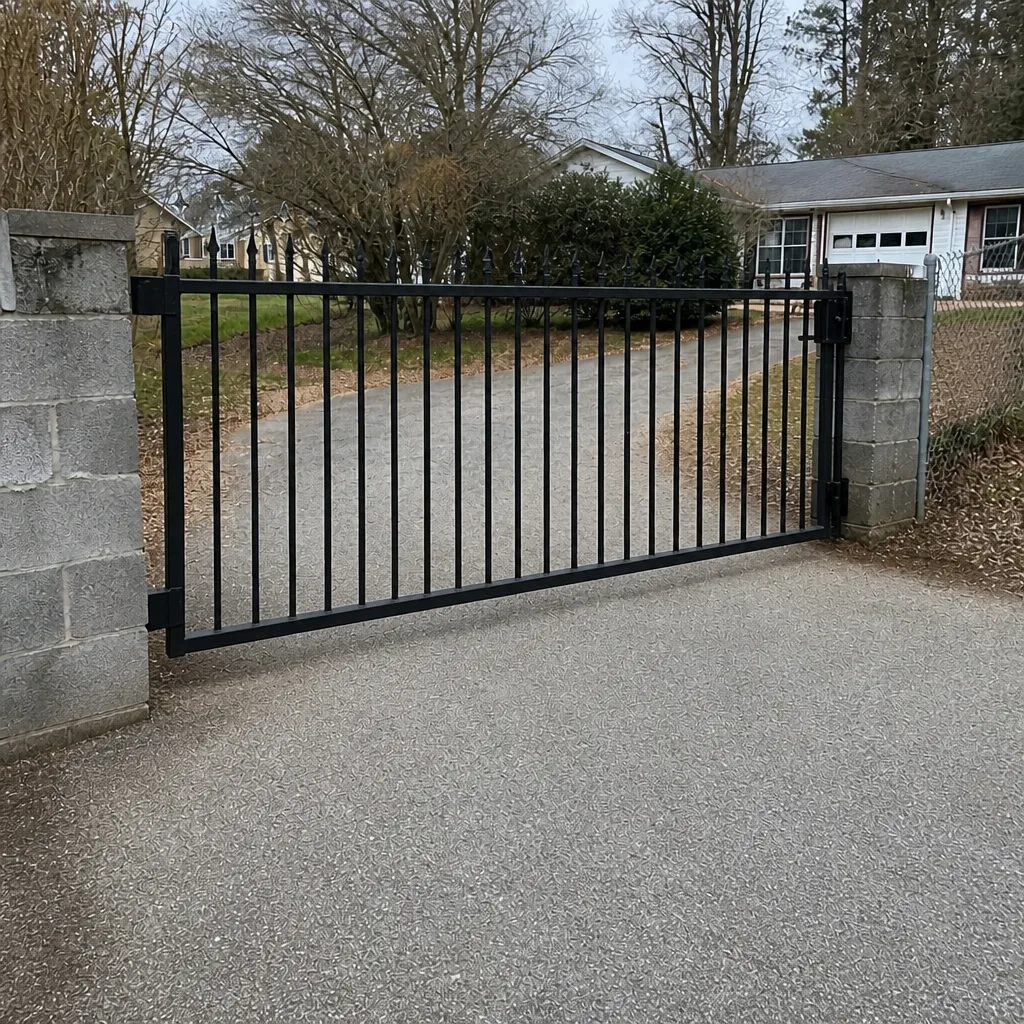
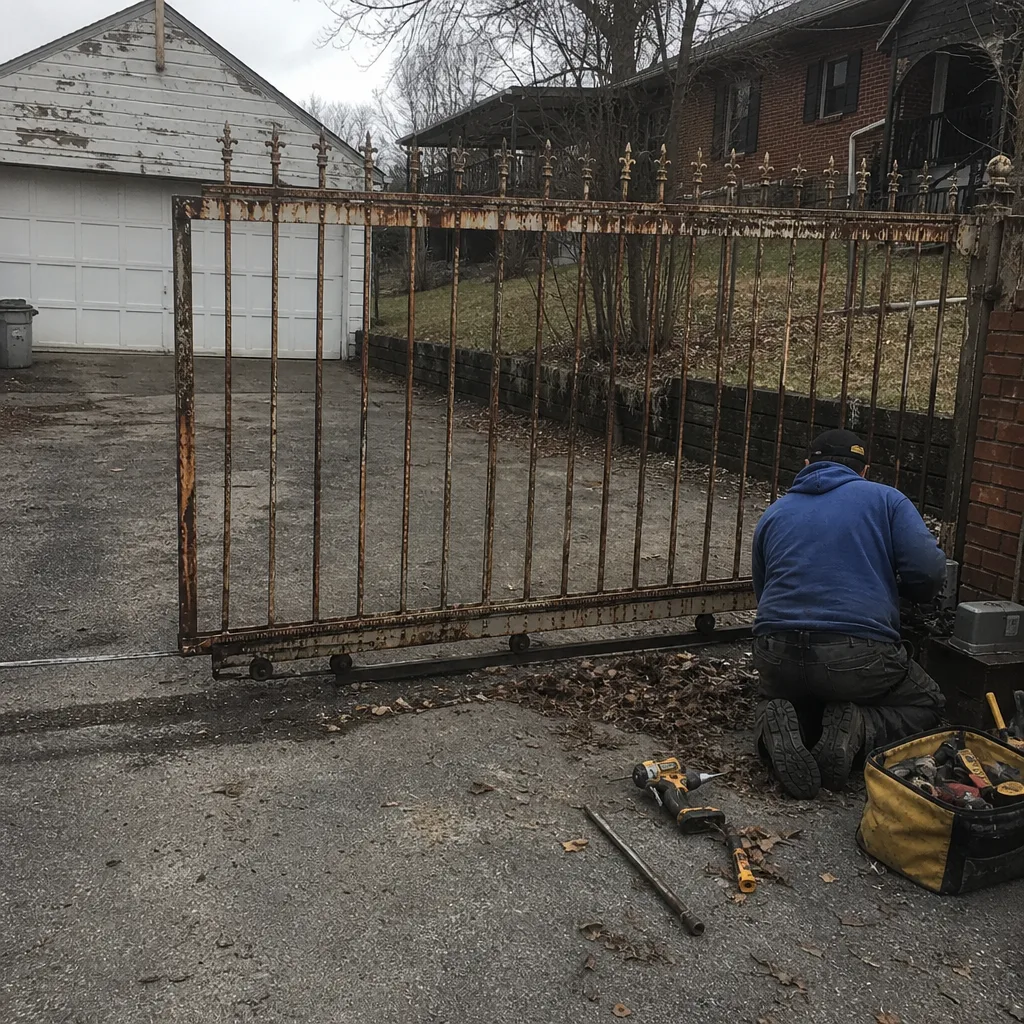
See the difference
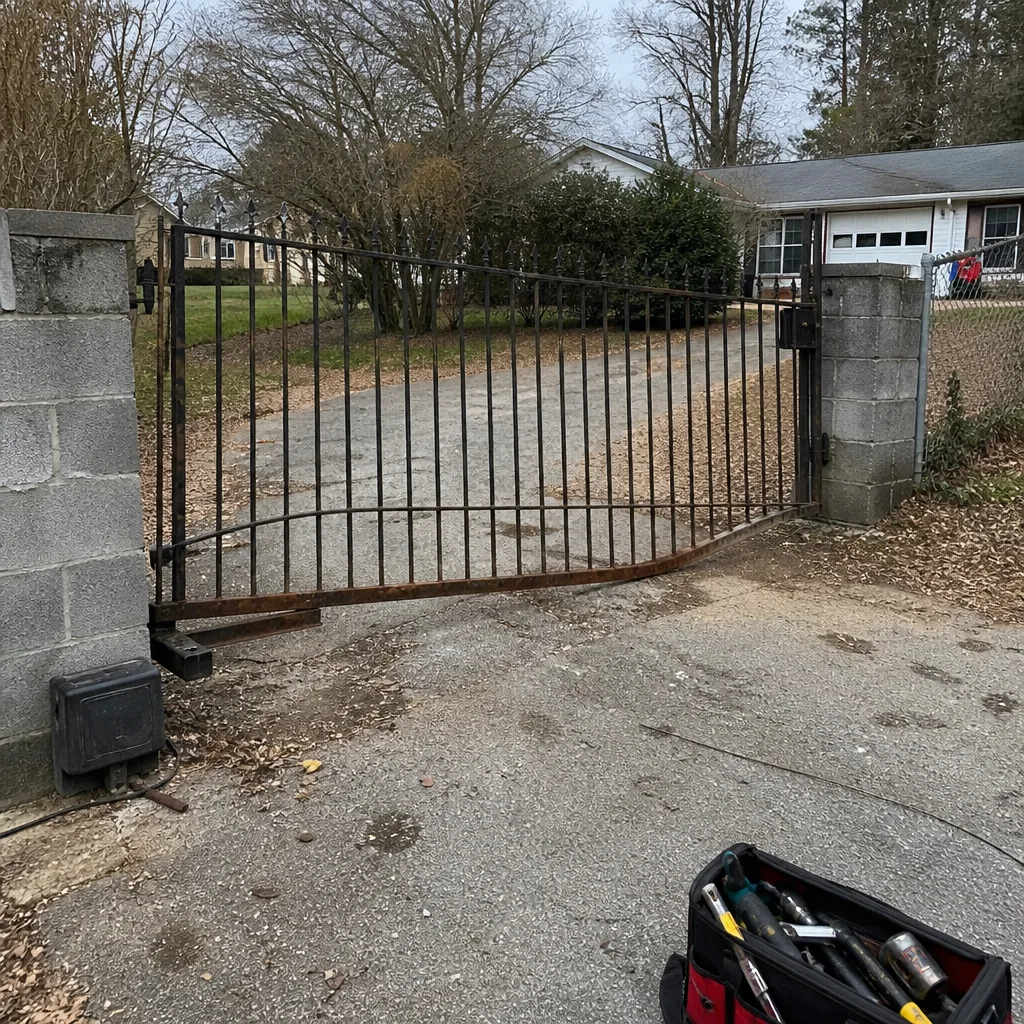 Before
 After
 Before
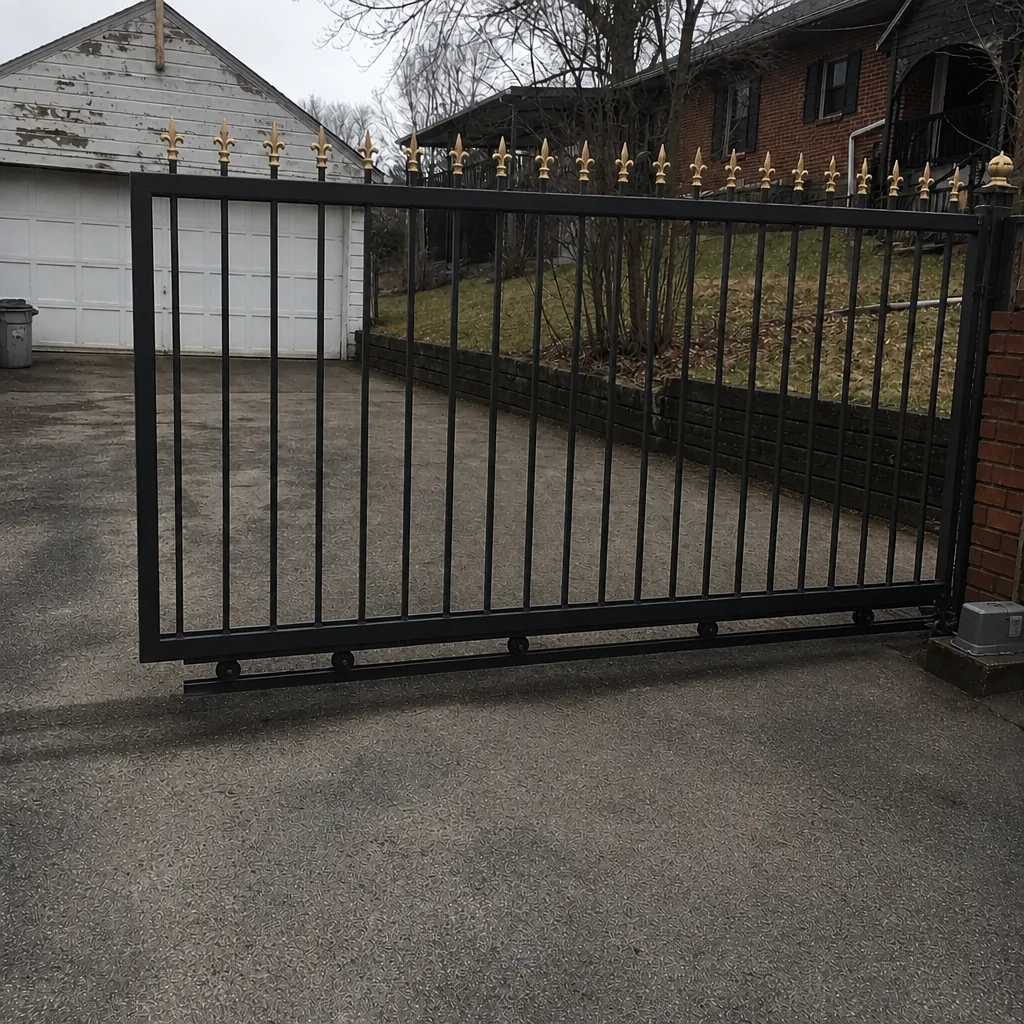 After
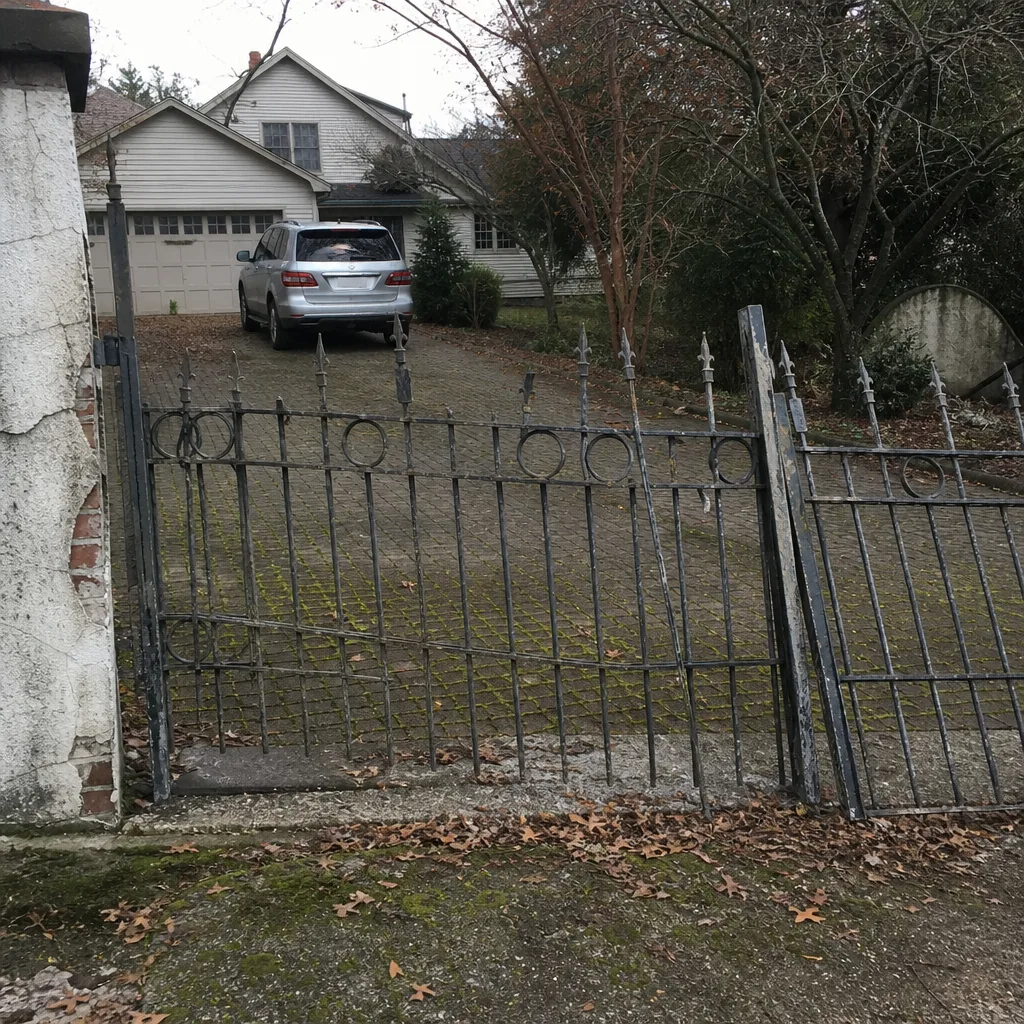 Before
 After
When to Call a Professional
Some things are routine; some should be handled by a trained technician. Call a professional when the operator reverses or stops on its own, when a gate is stuck open (a security gap) or stuck closed (an access problem), when a control board or wiring is involved, when a battery won’t hold under load after replacement, or when a hinge, pivot, or bracket has worked loose or cracked. High-voltage wiring, control boards, and safety-edge and loop-detector circuits are not a home-project area. We work across brands including Ghost Controls, DoorKing, Elite, and Mighty Mule, so we can diagnose what your system actually needs. Gate Repair Knoxville offers free estimates in Knoxville – call (866) 361-6964.
Frequently Asked Questions
Twice a year for a full inspection, plus a quick check after each trigger event – the first hard freeze, any storm that drops debris, and any long stretch of non-use. Monthly, do a battery voltage check and note the travel times in a log. This is more than a generic calendar schedule because East Tennessee’s freezes, leaves, and storm debris each stress the system differently, and catching drift early is what keeps small issues from becoming repair calls. Call (866) 361-6964 for an exact quote – estimates are free.
It depends on the mechanism: a chain wants a chain-specific dry or wax-based lubricant, a screw drive wants a light grease, a worm gear wants the gear oil or grease the manufacturer specifies, and hinges and pivots want a penetrating lubricant after a clean. Mixing them up either attracts grit or leaves a part too dry. Check the operator’s manual for your brand before applying anything. Call (866) 361-6964 for an exact quote – estimates are free.
A reversing or half-stopping gate usually means the operator is hitting its force limit because something is loading it up: leaves or grit jammed in the track, a binding hinge, a misaligned photo-eye, or debris breaking the loop detector beam. Clear the track and check the sensors first, then run a full cycle. If it still reverses, stop and call a technician. Call (866) 361-6964 for an exact quote – estimates are free.
Test it under load, not at rest. A battery can read fine sitting still and still be degrading; what matters is how far the voltage sags while the operator is running. If the under-load number drops noticeably and recovers slowly, the battery is on its way out and should be replaced before the next outage. Monthly readings in a log make the decline easy to see. Call (866) 361-6964 for an exact quote – estimates are free.
You can handle the quick checks yourself: clear debris, wipe and correctly lubricate hinges and the mechanism, read battery voltage, time the travel, and keep the log. Anything involving the control board, high-voltage wiring, safety-edge or loop-detector circuits, or a gate that keeps tripping its force limit should go to a technician. Call (866) 361-6964 for an exact quote – estimates are free.
Typical maintenance visits run $150 – $300 per job depending on gate type, and the written estimate sets the final price. The price is quoted and agreed before any work starts, so there’s no surprise invoice. If the inspection turns up a part that needs replacing, that’s quoted separately before anyone touches it. Call (866) 361-6964 for an exact quote – estimates are free.
The Bottom Line
A gate maintenance schedule that works in Knoxville is built around triggers, not the calendar. Check after the first hard freeze, after a storm drops debris, and after long non-use. Do a full mechanical and electrical inspection twice a year. Match the lubricant to the mechanism – chain, screw, worm gear, and hinge each want their own – and never use one product for all of them. Test the battery under load, not at rest. Log the travel times and voltage with the date, because comparison is how drift gets caught before it’s a repair. If a gate is stuck open, stuck closed, or behaving strangely, that’s when to book a professional rather than guess.
Our technicians have up to 9 years of experience, we handle both installation and repair under one roof, and we work on your brand across the residential and commercial tiers. Call (866) 361-6964 for a free estimate. We answer 24/7. Fast dispatch from 7am to 7pm, Sunday through Friday.
Written by the team at Gate Repair Knoxville.