
Last updated November 15, 2026
 Wrought iron
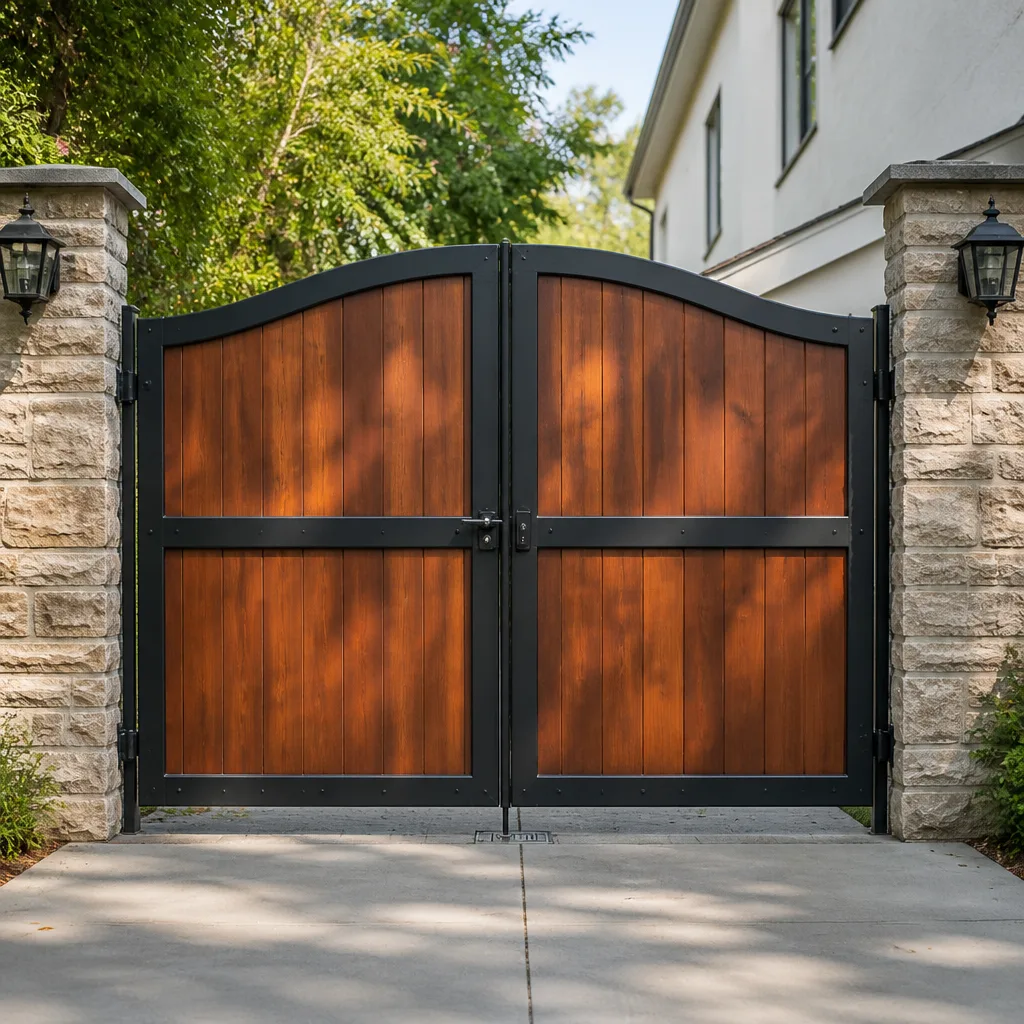 Wood & steel frame
 Farm & ranch
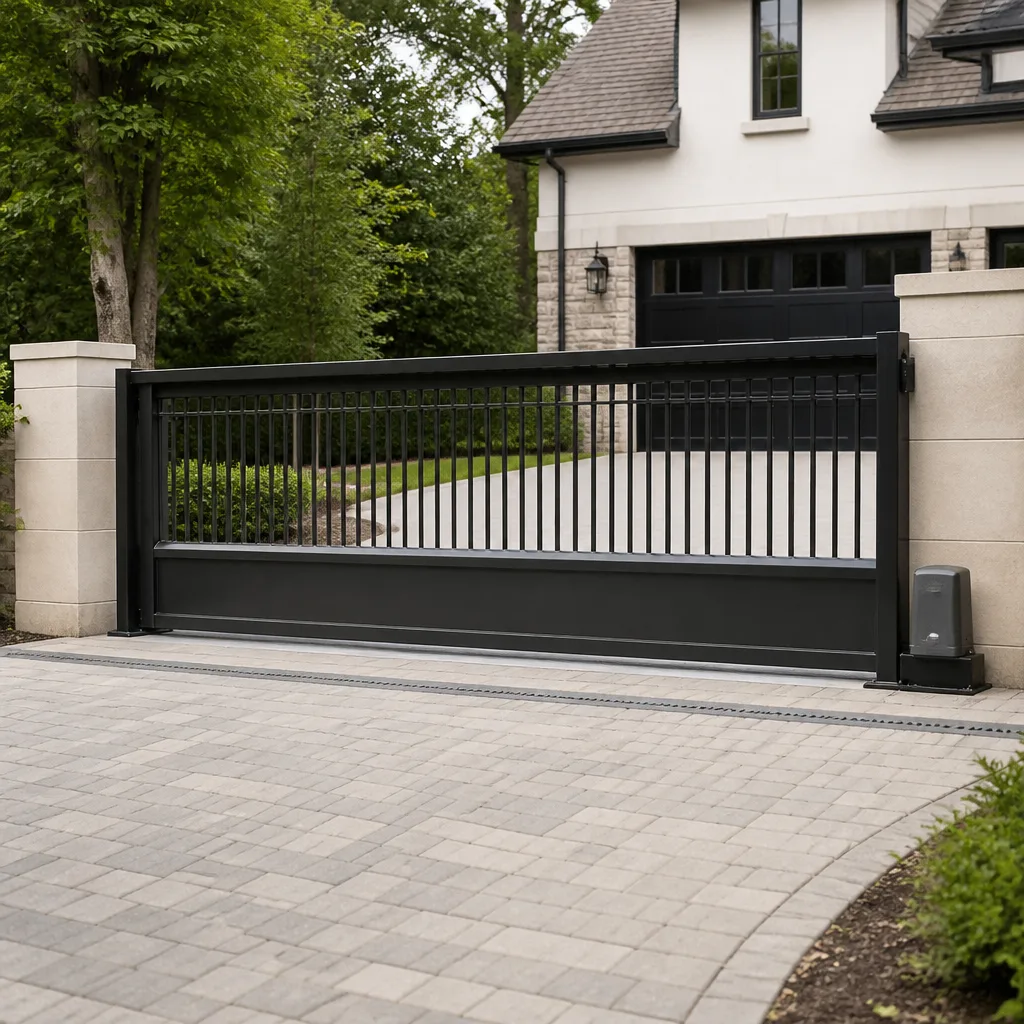 Sliding driveway gates
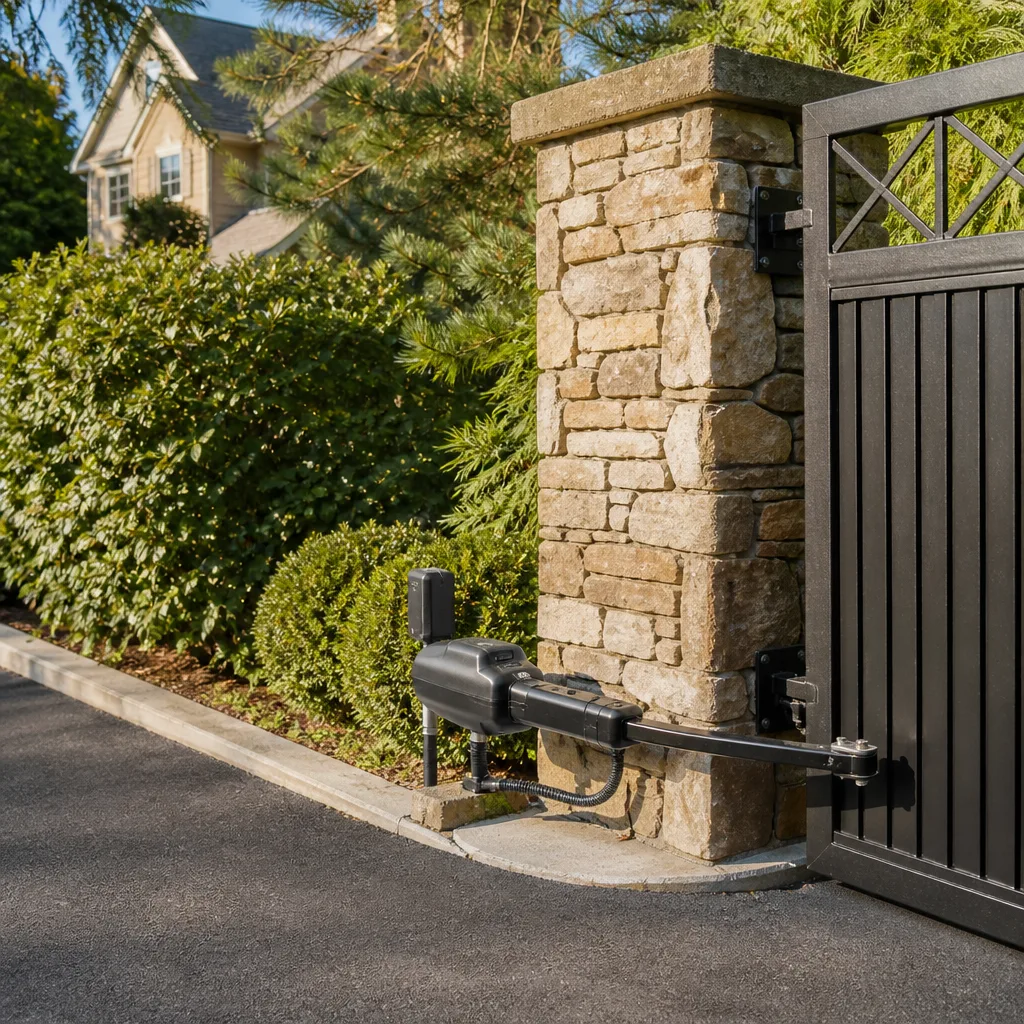 LiftMaster operators
Free on-site gate assessment - hinges, posts, and your LiftMaster or Nice gate operator checked before anything is quoted
The assessment is free and the quote is the invoice.
Get your free estimateGate Repair Permits, Codes & Inspections in Knoxville, TN: What You Need to Know
Most gate work in Knoxville needs no permit at all. That’s the part people get right. The part they get wrong is assuming the jobs that do need one are the obvious ones. Repairing a hinge, replacing a control board, swapping a remote receiver – none of that touches a permit. But adding an operator to a gate that never had one, changing how a gate is powered, or replacing a fence line on a property near a municipal boundary can land you in permit territory, and the surprise usually shows up months later during an insurance claim or a home sale. This guide walks through where Knoxville’s rules actually start, how city and county jurisdiction split, and what to check before you book the work. We’ll show you when a permit is required, when it isn’t, and how to tell the difference before you spend a trip to the city office.
Quick Answer
In Knoxville, routine gate repair and like-for-like replacement generally don’t require a building permit, but a new gate installation, adding an operator to a gate that had none, or any change to the electrical circuit feeding that operator usually does. The building permit comes from the City of Knoxville or Knox County depending on where the property sits, and the electrical side runs through a separate electrical permit with a licensed electrician’s sign-off. When in doubt, call the authority having jurisdiction before work starts – it’s a short phone call that saves a much longer problem later.
Styles & brands we work with
- Wrought iron
- Wood & steel frame
- Farm & ranch
- Sliding driveway gates
- LiftMaster operators
Table of Contents
- Repair, Replacement-in-Kind, or New Installation: Which One Triggers a Permit?
- City of Knoxville vs. Knox County: Which Jurisdiction Applies to You?
- When Does a Gate Operator Need an Electrical Permit in Tennessee?
- The HOA Layer: Deed Restrictions in Farragut and the West Knox Corridors
- What an Inspection Actually Covers on a Gate Installation
- What Happens in an Insurance Claim When Unpermitted Work Is Found
- How Knoxville’s Climate Affects Gate Wear, Inspections, and Longevity
Repair, Replacement-in-Kind, or New Installation: Which One Triggers a Permit?
The single most useful distinction in this whole guide is the difference between repairing a gate, replacing a component with an identical or equivalent part, and installing something new. Knoxville’s building code treats those three categories very differently. Getting the category right is what tells you whether a permit is even in play.
Repair means restoring the gate or its operator to working condition without changing its type, size, location, or power source. Replacing a worn roller, re-hanging a sagging swing gate leaf, swapping a failed control board, replacing a loop detector, or rewiring a damaged sensor lead are all repairs. No building permit is typically required for repair work on an existing gate. This is the bulk of what we handle in Knoxville, and it’s also the category most homeowners are in when they call.
Replacement-in-kind means pulling out a component and installing a new one of the same general type in the same location. For an operator, that means a new LiftMaster or Elite operator going where the old one sat, on the same circuit, driving the same gate. For a gate leaf, it means a new leaf of the same size and material in the same opening. Replacement-in-kind sits in a gray zone. In practice, a straight operator swap with no electrical changes is usually treated like a repair. A full gate leaf replacement on the same posts is usually treated as construction – check with the city before assuming it’s exempt.
New installation is the category that reliably pulls a permit. That includes:
- Installing a gate or fence where none existed before.
- Adding an operator to a gate that was previously manual.
- Changing the power supply to the gate, including new conduit runs and new dedicated circuits.
- Increasing the size of the opening, changing the swing direction, or converting a swing gate to a slide gate.
- Adding access control infrastructure that ties into the electrical system – keypads, card readers, intercoms with dedicated power.
The counterintuitive part is number two. Homeowners often assume adding an operator to a manual gate is a mechanical job, not a construction job. In most jurisdictions it isn’t just mechanical – it changes the use classification of the structure and it introduces an electrical load that wasn’t there. That’s the trigger. If you’re adding automation to a manual drive gate in Knoxville, plan for a permit conversation before you plan for the install.
If you need a straight repair and want to know whether it stays in the no-permit bucket, our team can tell you over the phone. Start with our Gate Repair Knoxville page for the service overview, or jump straight to gate repair if you already know what’s broken.
City of Knoxville vs. Knox County: Which Jurisdiction Applies to You?
Knoxville and Knox County run separate permitting operations, and the line between them isn’t always obvious from a mailing address. Properties inside the Knoxville city limits fall under the city’s building department. Properties outside the city limits but inside Knox County fall under Knox County Codes. The complication is that the city limits are irregular – there are pockets of county land surrounded by city, and there are properties with a Knoxville mailing address that sit in unincorporated county territory.
Three things determine which jurisdiction you’re in:
- Whether the property is inside the incorporated city limits. This is a legal boundary, not a postal one. A Knoxville mailing address does not mean you’re inside the city.
- Whether the property sits in a separately incorporated town. Farragut is its own municipality with its own permitting. So are a few other incorporated areas around Knox County.
- Whether the work is on the electrical side. Electrical permits run through the state electrical inspection process in Tennessee, which is a separate track from the local building permit.
How to check in three steps:
- Look up the property on the Knox County parcel viewer or the city’s GIS map to confirm which jurisdiction covers the address.
- Call the correct building department and describe the work in plain terms – “adding an operator to a manual swing gate,” “replacing a slide gate leaf on the same posts,” “new driveway gate and operator on a vacant pad.” Don’t use trade jargon; you want their answer, not their assumption about what you meant.
- Ask specifically whether the answer changes if the electrical work is on a separate circuit from an existing subpanel. That single question is usually what flips a job from exempt to permitted.
For properties near the boundary – the edges of West Knoxville, the Halls area, and the corridors heading toward Farragut – this check is worth doing before you schedule anything. A permit pulled from the wrong jurisdiction is functionally the same as no permit when an inspector shows up.
We work across both city and county properties and know the difference from the technician side. If you’re unsure which side you’re on, mention it when you call and we’ll tell you which department to ring.
When Does a Gate Operator Need an Electrical Permit in Tennessee?
Gate operators are electrical equipment. That’s the fact many homeowners skip over, and it’s the one that matters most for permitting. A new gate operator almost always involves electrical work. The question is whether that electrical work requires its own permit and a licensed electrician’s sign-off, or whether it’s covered under a general building permit or under an existing circuit.
In Tennessee, electrical permits are handled through the state electrical inspection process rather than the local building department. In practice, that means three scenarios:
- New operator on a new dedicated circuit. This needs an electrical permit. A licensed electrician pulls it, the work is inspected, and the inspection result is part of your record. This is the cleanest and most common scenario for a new install.
- Operator swap on an existing dedicated circuit. If the amperage, voltage, and disconnect all stay the same and the circuit is already permitted and inspected, the electrical side is usually covered. The operator itself is a like-for-like replacement.
- Operator added to an existing circuit. This is where it gets messy. If the gate is now sharing a circuit with something else, or the circuit was never sized for the operator load, an electrician needs to look at it and you may need a new permit to bring it up to code.
The safety stakes on this are real. Gate operator circuits run at household voltage, and the low-voltage control wiring tied to them – loop detectors, safety edges, photo eyes – can interact with that circuit in ways that are dangerous if it’s wired wrong. We don’t hand out wiring instructions, and no reputable gate shop should. An electrician signs off on the line voltage; a gate technician handles the low-voltage side and the mechanical installation. Both have to be done correctly before the gate is safe to operate.
If your gate is automated and you’re not sure whether the electrical side is code-compliant, that’s a job for electric gate repair – we can look at the whole system, including the control board, the loop wiring, and any hazard the install created. Faulty safety edges and dead loop detectors are also electrical problems that show up on repair calls.
The HOA Layer: Deed Restrictions in Farragut and the West Knox Corridors
City and county permitting is only one stack of rules. Many Knoxville-area properties sit inside planned developments with homeowner associations and recorded deed restrictions, and those restrictions often go further than the building code does. A gate that satisfies the city may still violate your subdivision’s covenants. Farragut and the West Knox corridors are the places where this comes up most often, because the density of newer planned developments is higher there.
Deed restrictions can control things the building code doesn’t touch:
- Maximum gate height, material, and finish color.
- Whether swing gates are permitted at all versus slide gates.
- Setback requirements from the street, sidewalk, or shared property line.
- Whether automated gates are allowed on shared driveways.
- Operator noise limits where gates sit close to neighboring homes.
- Requirements for safety signage and emergency access on shared entries.
- Approval processes for any visible change to a gate or fence line.
The practical rule is that HOA approval and permits are separate processes, and you usually need both. An HOA architectural review committee (sometimes called an ACC or ARC) will typically want to see drawings, specifications, and in some cases a permit or approval letter from the municipality before they approve a new gate. Skipping HOA approval gets expensive in a different way than skipping a permit – the HOA can force a gate to come out even if the city signed off on it.
Before a new gate or a major gate change, do this:
- Pull your subdivision’s recorded covenants from the Knox County Register of Deeds.
- Read the architectural review section carefully and note the submission requirements.
- Submit to the HOA before you schedule installation, not after.
- Keep the HOA approval letter with your permit records. Both come up at a home sale.
We install gates across the area, including in HOAs where the committee wants specific documentation. When you’re planning a new install, mention your subdivision – getting the paperwork right at the front saves a rebuild later.
What an Inspection Actually Covers on a Gate Installation
When a gate installation does require a permit, an inspection is part of the process. Knowing what the inspector looks at helps you ask the right questions of your installer and avoids the “everything is done except the thing the inspector wants” phone call.
A typical gate installation inspection covers these areas:
- Post footings. The inspector verifies that posts are set at proper footing depth for the gate weight and gate type. Gate posts fail in two ways – the footing is too shallow, or the footing was put in with no inspection and the concrete is already set. Get the footing inspection done before the concrete pour.
- Operator mounting and drive mechanism. That the operator is properly anchored and the arm or track is aligned to the gate leaf.
- Safety devices. That photo eyes, safety edges, and loop detectors are present and functional, and that the setup will reverse or stop when it should. This is where a lot of DIY installs fail – the gate works, but one safety device is dead or disabled.
- Electrical. A separate electrical inspection confirms the circuit, disconnect, and connections are code-compliant. The electrician signs off; the building inspector may check that the sign-off exists.
- Structural work. On masonry pilasters, retaining walls, or gates set into grade changes, the structural portion gets checked to code.
The safety section is not a formality. A gate that doesn’t detect a child or a pet in its path is not just unpermitted – it’s dangerous. Gate operators are heavy machinery with enough force to cause serious injury. If your operator has ever been operated with a safety edge disconnected, or a photo eye taken out of the loop, that’s a reason to have the system looked at before you think about anything else.
When we install, we build the inspection sequence into the plan: footing inspection before the pour, low-voltage safety devices tied in and tested, and the electrical sign-off handled by a licensed electrician so it’s ready on the day. It’s the difference between one inspection and a return visit.
What Happens in an Insurance Claim When Unpermitted Work Is Found
This is the section that changes the calculus for a lot of homeowners. Unpermitted gate work doesn’t usually get discovered during installation. It gets discovered during a claim or a sale – and that’s when the real cost shows up.
Here’s how it typically plays out. You file a claim after a gate-related incident – a vehicle strikes the gate, wind takes down a leaf, a person is hurt by a gate that didn’t reverse. The adjuster looks at the work. If the gate installation or operator addition required a permit and none was pulled, the insurer has grounds to argue that the work was not done to code and that the loss or the extent of the loss falls outside coverage. In many policies, this argument is tied to the condition of the structure and to whether the loss is a direct result of unpermitted or non-compliant work.
The specific policy language to read in your homeowners or commercial policy:
- “Ordinance or law” coverage. This is the section that governs whether the policy pays to bring unpermitted or non-compliant work up to code after a covered loss. If your coverage here is limited or excluded, the cost of replacing the gate to code after a loss becomes yours.
- “Reasonable repairs” and “code upgrades” language. Look at whether the policy covers the difference between replacing what was there and replacing what should have been there. A gate replacement on an unpermitted operator can be much more expensive than the same replacement on a permitted one.
- “Intentional or illegal acts” exclusions. Some policies exclude loss arising from work performed without required permits. The wording varies widely.
- Coverage for structures. If the gate is attached to a pilaster or a fence line that ties into a structure, the loss may trigger the dwelling coverage or a separate structures coverage limit.
The practical takeaway is straightforward. Pull the permit when the job needs one, keep the paperwork, and if you’re buying a home with an automated gate, ask for the permit records. In Knoxville, we’ve seen enough sale transactions bog down over a missing operator permit to know this isn’t a theoretical concern. The paperwork is cheap; the alternative isn’t.
If you’re uncertain about the status of an existing gate install, one of our technicians can look at it and tell you what a code-compliant setup would require. It’s a free estimate either way.
How Knoxville’s Climate Affects Gate Wear, Inspections, and Longevity
Permits are one thing. What your gate is doing in Knoxville’s weather is another, and the climate here has specific implications for how often a gate ends up needing permitted work versus repair.
Knoxville sits in the Tennessee Valley, and that means hot, humid summers with long stretches of wet weather, followed by cooler winters with freeze-and-thaw cycles. That combination does three things to gate systems:
- Wood and steel gates swell and move. Wooden gate leaves and posts expand and contract with seasonal moisture changes, which stresses hinges, latches, and operator arms. A swing gate that was aligned in July can bind in January. That’s a repair, not a permitted job – but it’s the most common reason gates get looked at here.
- Low-voltage wiring corrodes at the exposed connections. Loop detectors, photo eyes, and safety edges run on low-voltage wiring that’s often buried or exposed at the gate. Wet ground and freeze-thaw cycles stress conduit, junction boxes, and connection points. Dead safety devices are a frequent cause of an operator that stops working.
- Operator control boards and enclosures face humidity and heat. Outdoor enclosures are built for it, but a control board that’s failed from moisture ingress is a common repair in Knoxville. That’s a repair, not a permit – but a failed board is often what prompts a homeowner to ask us about replacement, and that’s when the permit question comes up.
When we look at a gate that’s been in place through a few Knoxville seasons, we know what to look for – swelling posts, cracked concrete footings, junction boxes that have taken on water, safety edges that have stopped working. Those are the things that matter for the gate’s actual reliability, not just for passing an inspection. And a gate we look at during a repair call is a gate where we can flag the permit question if a replacement or operator upgrade is the right answer.
Common Mistakes to Avoid
- Assuming a new operator on a manual gate doesn’t need a permit. Adding automation to a gate that had none changes the electrical load and the use classification of the structure. It’s one of the most common permit triggers in Knoxville, and one of the most often skipped.
- Treating the electrical permit as part of the building permit. In Tennessee they’re separate tracks. A licensed electrician pulls the electrical permit; the building department handles the construction side. If your installer isn’t coordinating both, someone is going to be missing a sign-off.
- Not confirming city versus county jurisdiction before work starts. A Knoxville mailing address doesn’t mean the property is inside the city limits. Wasting a trip to the wrong department is a small cost; finding out month later that the permit was pulled from the wrong jurisdiction is a bigger one.
- Skipping the HOA submission because the city permit was approved. In Farragut and the West Knox corridors, deed restrictions can require things the building code hasn’t even considered. City approval doesn’t satisfy the HOA, and the HOA can force a gate out.
- Disabling a safety edge or photo eye because it was causing nuisance stops. A gate that stops and reverses because of a bad sensor is doing its job. Bypassing the sensor to make it stop doing that job is a safety problem and, in a permitted install, an inspection failure. Fix the sensor.
- Waiting until a home sale to look for permit records. Insurance adjusters, home inspectors, and appliance-level due diligence in a sale will all want the records on a gate or operator that was added. Track them down at install, not at closing.
- Assuming a failed control board means a full replacement is needed. A dead board on a LiftMaster or FAAC operator is often a board-level repair. Brand-agnostic diagnostics mean we identify what the system actually needs before recommending anything bigger.
See the difference
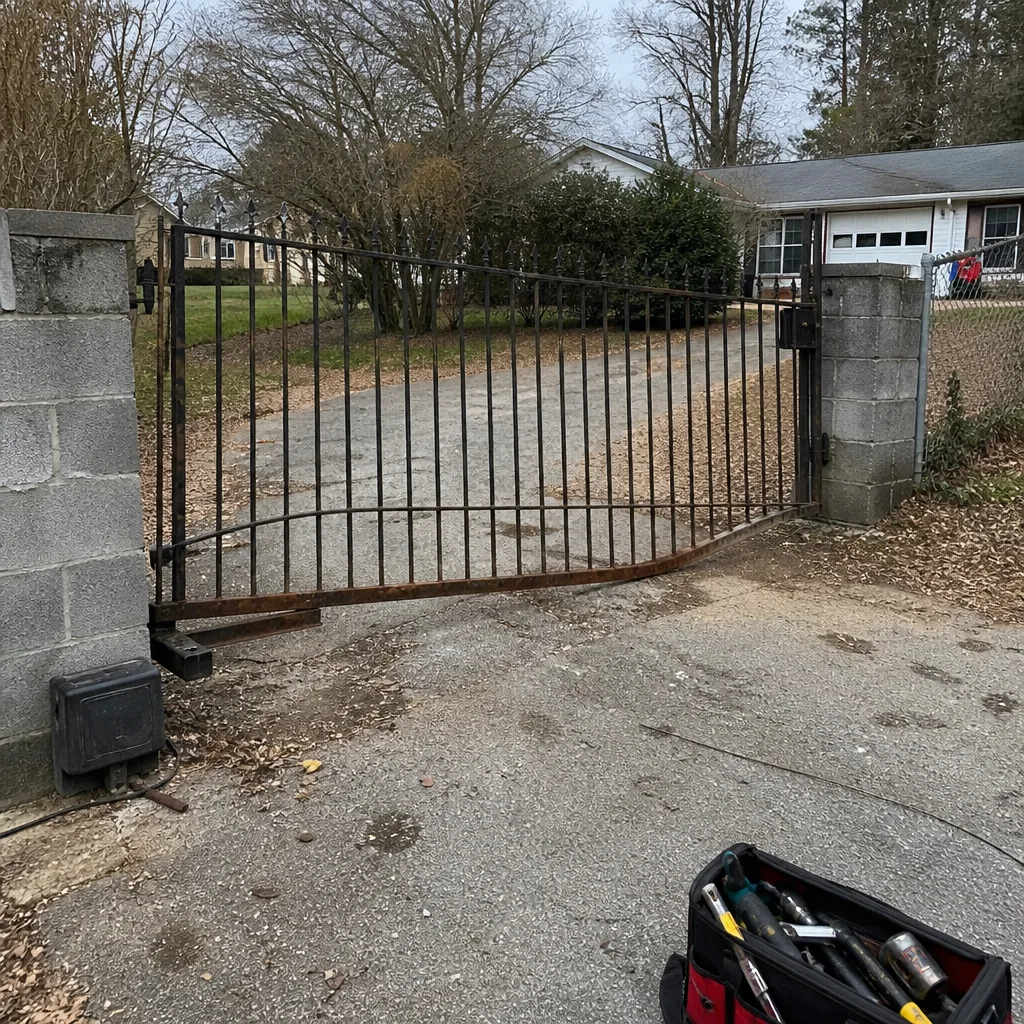 Before
 After
 Before
 After
 Before
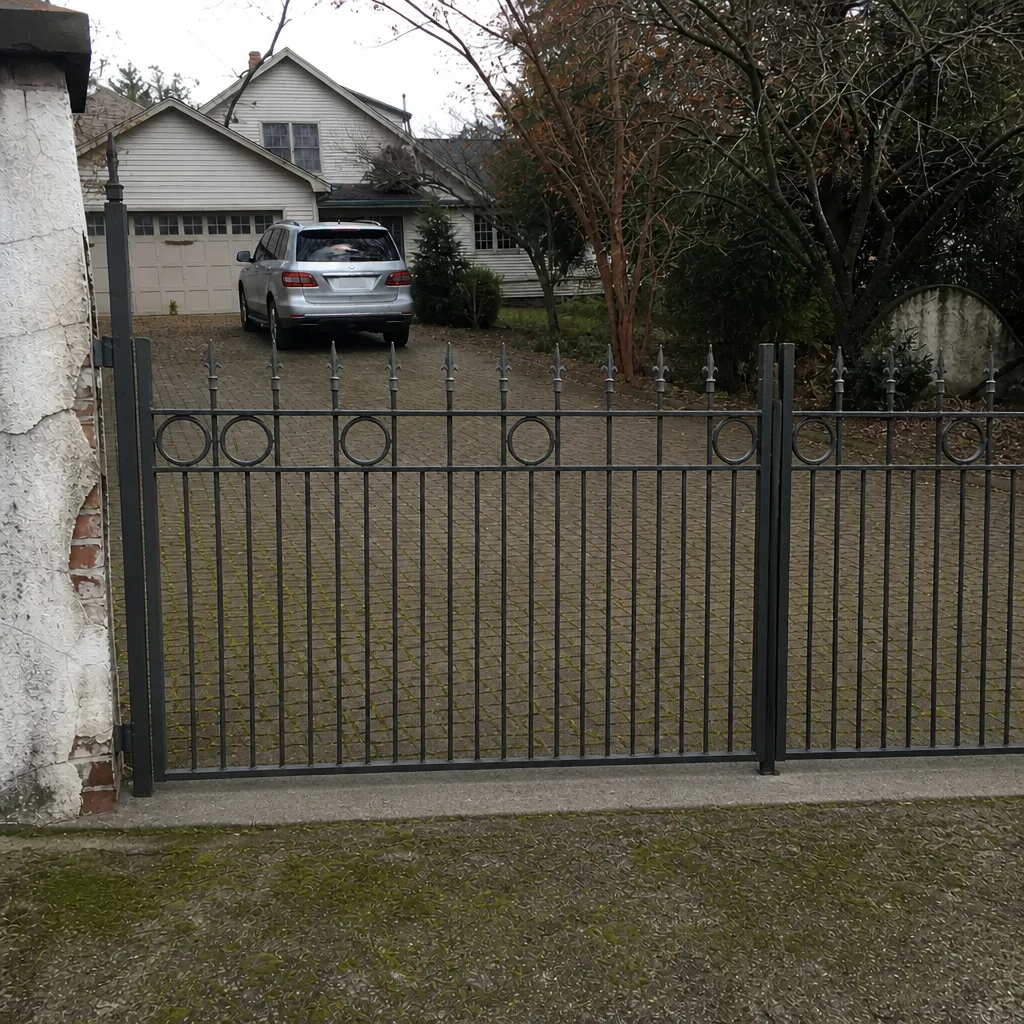 After
When to Call a Professional
Some of this you can sort out yourself: read your covenants, call your building department, confirm your jurisdiction. The line where you should call a professional is where the work becomes mechanical, electrical, or safety-critical. That includes adding an operator to a manual gate, replacing an operator on an existing circuit, any situation where a safety edge or photo eye has stopped working, a gate that’s stuck open (a security gap, not just an inconvenience), a gate that’s stuck closed (an access emergency if it’s your only vehicle entry), and any install where the permit and inspection sequence needs to be coordinated. Our technicians have up to 9 years of experience working across LiftMaster, FAAC, BFT, Linear, Viking, Ghost Controls, DoorKing, Elite, and Mighty Mule systems, and we handle the repair side and the install side so you’re not coordinating two contractors. Gate Repair Knoxville offers free estimates in Knoxville – call (866) 361-6964.
Frequently Asked Questions
No, routine gate repair in Knoxville generally does not require a building permit. Replacing hinges, repairing a control board, swapping a receiver, re-hanging a gate leaf on its existing posts, or fixing a failed loop detector are all repair work. The permit question starts when you’re installing a new gate, adding an operator to a gate that had none, or changing the electrical circuit feeding the operator. Call (866) 361-6964 if you want a straight answer on whether your specific job stays in the no-permit category – estimates are free.
Yes, in most Knoxville cases it does. Adding an operator to a manual gate introduces an electrical load that wasn’t there before and changes the use classification of the structure, so the city usually treats it as new installation work and requires a building permit plus a separate electrical permit with a licensed electrician’s sign-off. Ask the city or county building department before you schedule the work, and coordinate both permits up front. Call (866) 361-6964 and we’ll walk you through which department handles your address.
Yes, in Tennessee they’re separate. The building permit comes from the City of Knoxville or Knox County depending on the property, and the electrical permit runs through the state electrical inspection process with a licensed electrician pulling it. Both have to be in place before the gate is signed off. If you’re unsure whether your existing operator circuit is compliant, that’s something to check before a new install rather than after – call (866) 361-6964 for an estimate.
An insurer can deny or reduce a claim if unpermitted gate work contributed to the loss, and it can also refuse to cover the cost of bringing that work up to code after a covered loss. The key policy sections to check are “ordinance or law” coverage, any code-upgrade language, and any exclusion for work performed without required permits. If you’re buying a home with an automated gate, ask for the permit records before closing. Call (866) 361-6964 if you want us to look at an existing gate install and tell you what a compliant setup would involve – the estimate is free.
Often they do. Deed restrictions in Knoxville-area planned developments can control gate height, material, color, setbacks, operator noise, and whether automated gates are allowed at all, and those requirements run on top of whatever the city or county has permitted. City approval doesn’t satisfy an HOA, and an HOA architectural review can force a gate out even after the city signed off. Submit to the HOA before scheduling installation and keep the approval letter with your permit paperwork. Call (866) 361-6964 if your subdivision has specific requirements and you want to plan the install around them.
A Knoxville gate installation inspection typically checks the post footings and depth before the concrete pour, the operator mounting, all safety devices including photo eyes, safety edges, and loop detectors, the separate electrical sign-off, and any structural work on pilasters or retaining walls. The safety check is where DIY installs most often fail – the gate operates, but a safety device is disabled or dead. If your current gate has ever been operated with a safety edge bypassed, get it looked at before anything else. Call (866) 361-6964 for a free estimate.
The Bottom Line
The permit rules for gates in Knoxville are not complicated once you know where the line is: repair and like-for-like replacement normally need no permit, while a new gate, a new operator on a manual gate, or any change to the electrical circuit normally does. City of Knoxville and Knox County run separate permit processes, the electrical side is a separate track with a licensed electrician’s sign-off, and HOA deed restrictions in Farragut and the West Knox corridors sit on top of all of it. The reason to sort this out before work starts isn’t administrative tidiness – it’s that an insurance adjuster during a claim will want the records, and a home sale will surface the gap. Pull the permit, keep the paperwork, and when the work is mechanical or electrical, let us handle it. We work on your brand, whether that’s a LiftMaster residential operator or a DoorKing commercial access system, at both the install and the repair end of the system’s life.
Contact Us
If you’re planning a gate installation, an operator upgrade, or you’re not sure whether the work in front of you needs a permit, give us a call. We’ll tell you what the job involves, help you figure out which department handles your address, and quote a flat price before anything starts. Call Gate Repair Knoxville at (866) 361-6964. We answer 24/7. Fast dispatch from 7am to 7pm, Sunday through Friday. Free estimates, and no work begins until you’ve agreed to the written price. We serve Knoxville and the surrounding area, and our technicians have up to 9 years of experience working across LiftMaster, FAAC, BFT, Linear, Viking, Ghost Controls, DoorKing, Elite, and Mighty Mule systems.
Written by the team at Gate Repair Knoxville.