
Last updated November 15, 2026
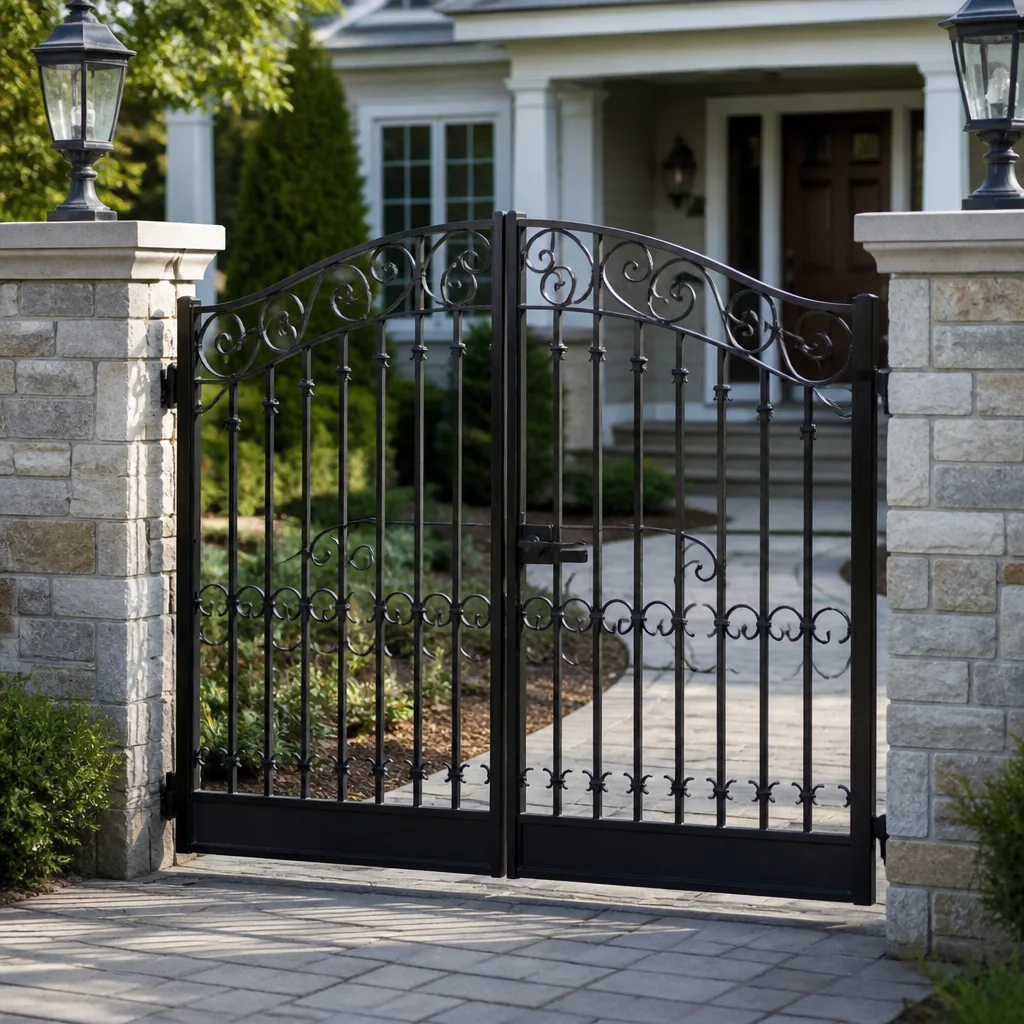 Wrought iron
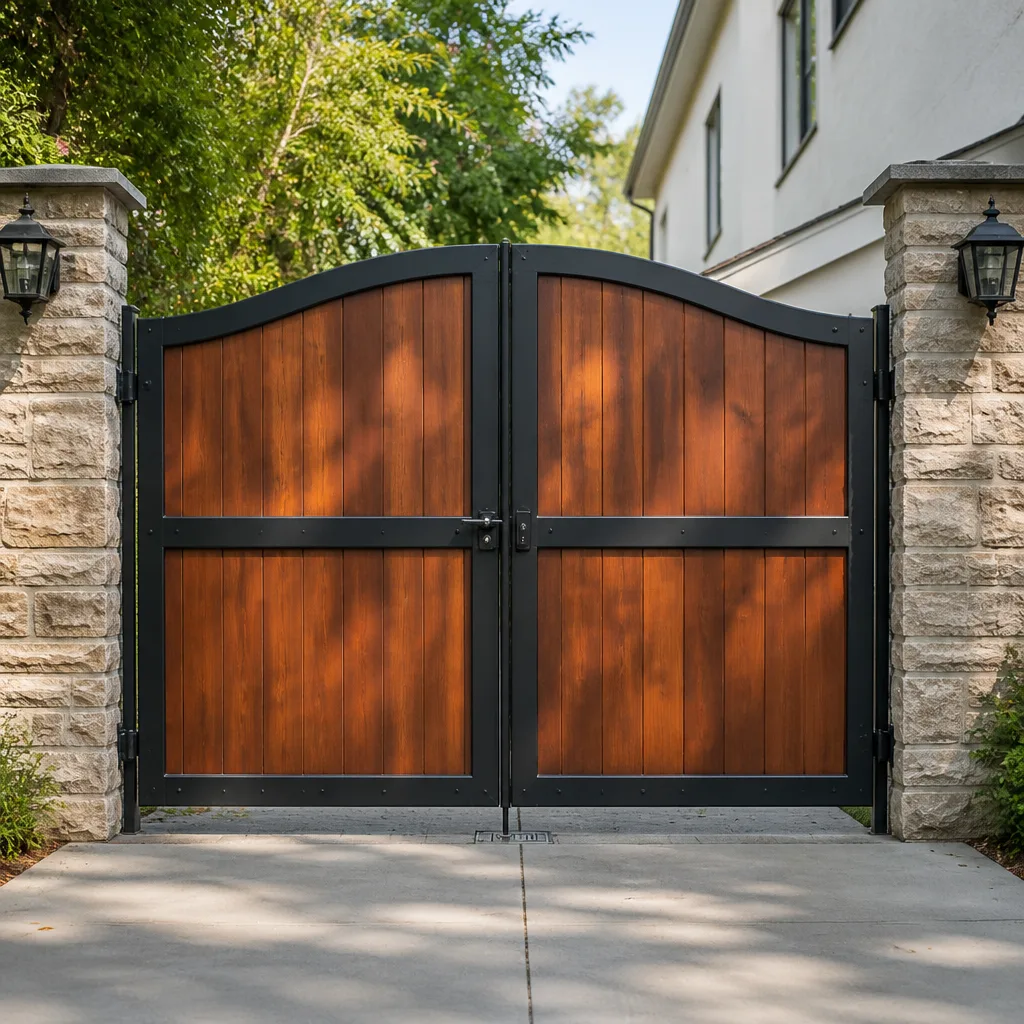 Wood & steel frame
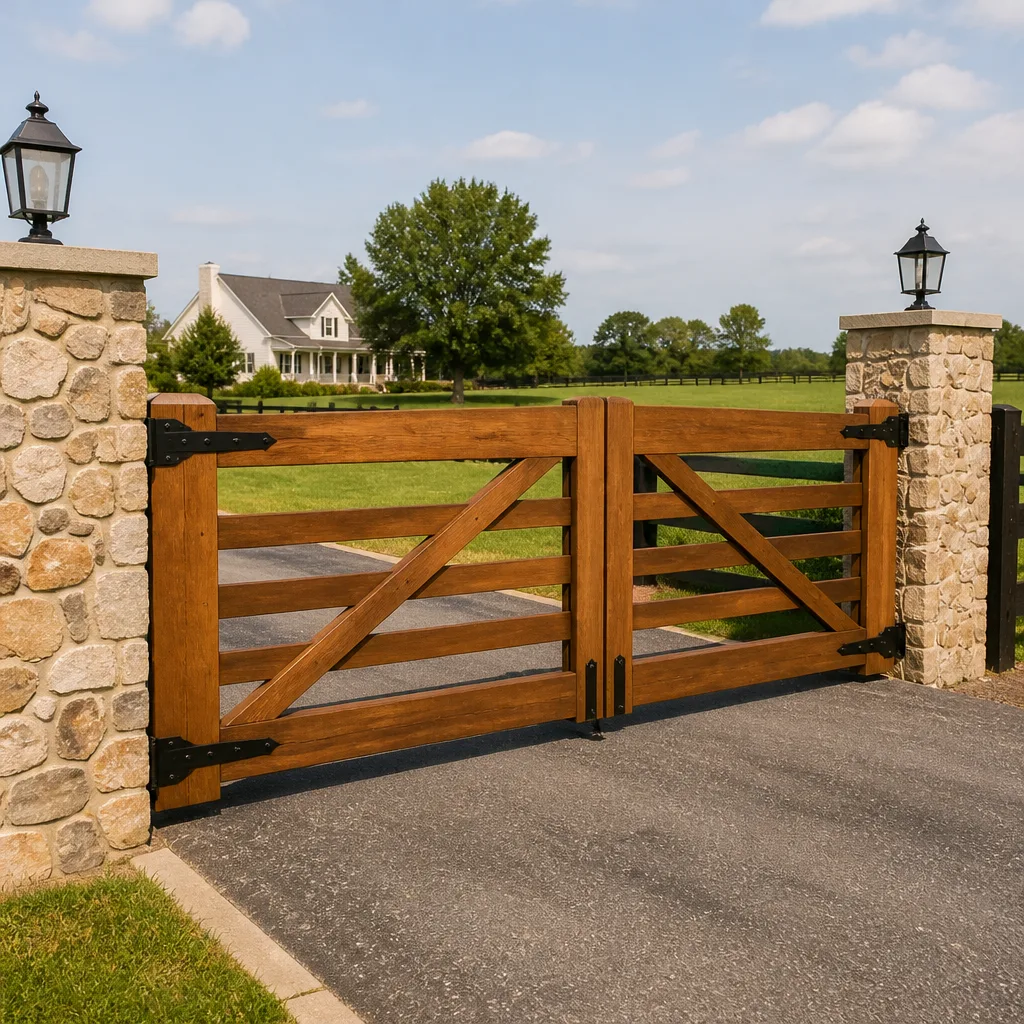 Farm & ranch
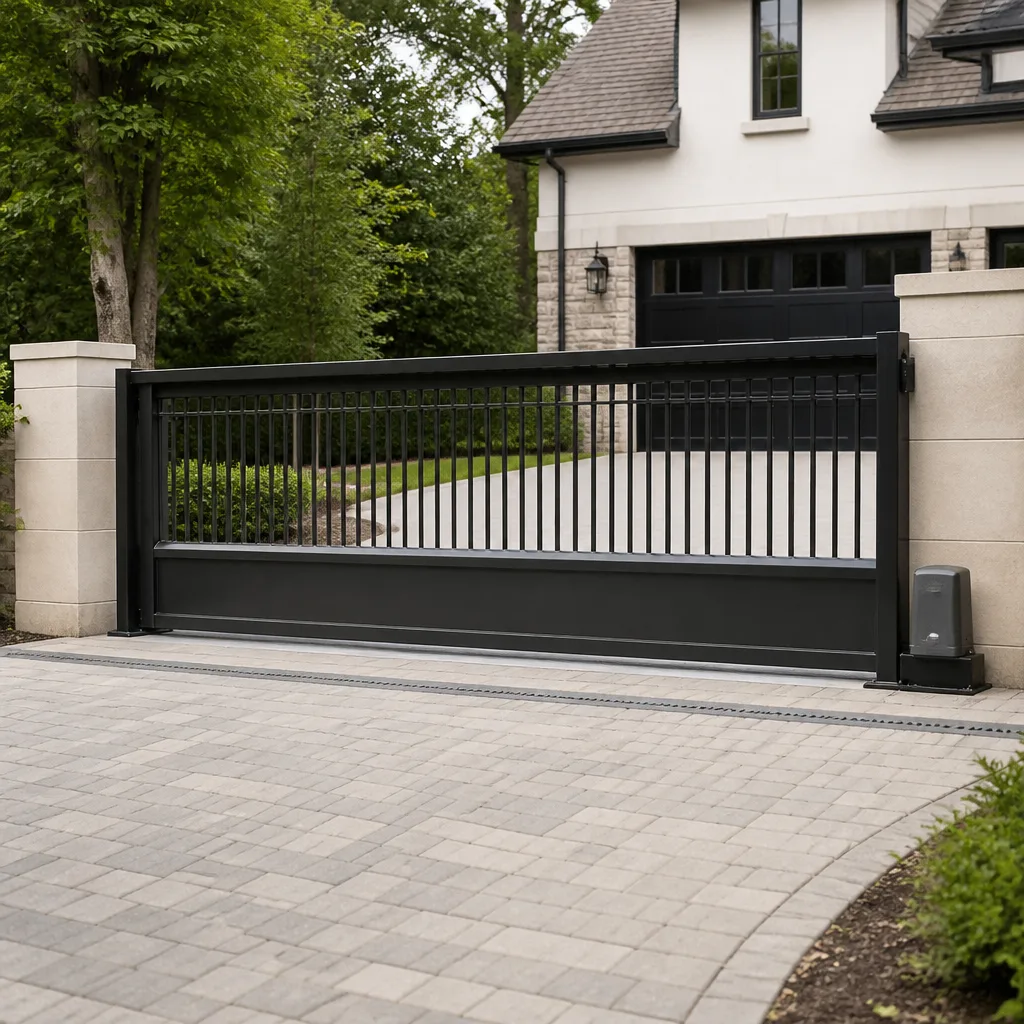 Sliding driveway gates
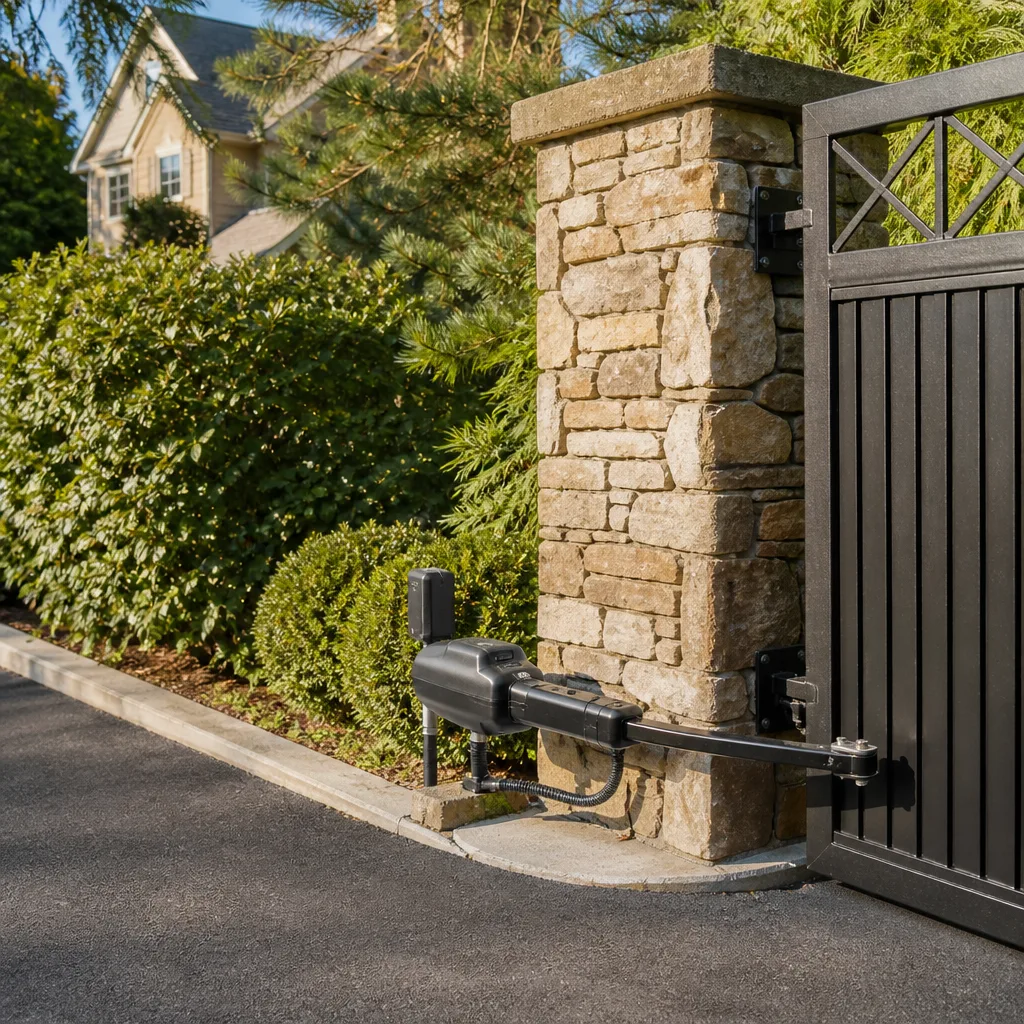 LiftMaster operators
Free on-site gate assessment - hinges, posts, and your LiftMaster or Nice gate operator checked before anything is quoted
The assessment is free and the quote is the invoice.
Get your free estimateGate Repair Emergency Preparedness Guide for Knoxville Homes
Most gate failures in Knoxville are not random. They cluster around the same handful of triggers: a hard freeze after a wet night, a power outage during a thunderstorm, a downed limb across a driveway after a wind event. The homeowners who get through those moments with a 20-minute fix are not luckier than the ones who lose half a day. They simply located their manual release before they needed it, tested their backup battery in fair weather, and kept a short list of facts ready for the phone call. This guide builds that plan around the failure scenarios East Tennessee properties actually face, from the hills of Sequoyah Hills to the long driveways of West Knoxville.
Quick Answer
Gate emergency preparedness in Knoxville means knowing three things before a failure hits: where your operator’s manual release is and how it works, whether your battery backup still holds enough charge to cycle the gate, and who to call plus what information they need. With those in place, a stuck gate becomes a manageable event rather than a security breach or a lost morning. The sections below walk through each one in order.
Styles & brands we work with
- Wrought iron
- Wood & steel frame
- Farm & ranch
- Sliding driveway gates
- LiftMaster operators
Table of Contents
- Why Knoxville Gate Emergencies Are Predictable
- Find and Test Your Manual Release Before You Need It
- Manual Release by Operator Brand
- Battery Backup: What Keeps a Gate Moving in an Outage
- The Emergency Call Protocol
- Post-Storm Inspection After Knoxville Ice Events
- Temporary Security When a Gate Is Stuck Open
- Common Mistakes to Avoid
Why Knoxville Gate Emergencies Are Predictable
A gate system fails at the worst possible moment for a reason. The stressors that break operators, arms, and control boards are seasonal and local, so the timing of failures follows a pattern. In Knoxville, that pattern is driven by three things: winter ice, summer storm outages, and the freeze-thaw cycle that works on gate posts and hinges all season long.
The ice events matter most. A wet snow or freezing rain that refreezes overnight can lock a slide gate to its track or freeze a swing gate’s hinges solid. When the operator tries to cycle against that resistance, the control board sees a fault and shuts down, which is the system doing its job. But it leaves you with a gate mid-travel and an operator waiting on a reset. That is a very different situation if you know how to release the gate manually.
Summer brings another predictable failure. Thunderstorms roll through East Tennessee and knock out power for a few hours, sometimes longer in the older stretches of neighborhoods where the lines are overhead. A gate with a healthy battery backup keeps working through the outage. A gate with a battery that has quietly aged out stops in its tracks, often with a vehicle on the wrong side.
Then there is the slow wear nobody thinks about. Hinges, rollers, and tracks rust and stiffen with our humidity, and a gate that has been dragging for months will eventually overwork the operator until it faults. Gate Repair Knoxville exists to handle exactly those calls, but a good chunk of them are preventable with a few minutes of attention. The rest of this guide is about giving yourself that attention on your own schedule, not the storm’s.
Find and Test Your Manual Release Before You Need It
Every automatic gate operator has a way to disengage the gate from the motor so you can move it by hand. The problem is that most people have never looked for it. Identifying that mechanism now, while the gate is working and the weather is mild, is the single highest-value thing you can do for gate preparedness in Knoxville.
Here is the sequence to work through in daylight, with the gate in good working order:
- Locate the operator housing. On a swing gate it is usually a box or arm near the hinge post. On a slide gate it sits at one end of the track.
- Look for the release. Depending on the unit, it is a keyed lever, a pull handle, a hex-keyed release screw, or a small bypass lever under a cover. Many residential operators have a lockable cover for exactly this reason.
- Read the label or manual page that describes the release before you touch it. Manufacturers differ, and forcing the wrong part can damage the gearbox.
- Disengage the gate and push it open by hand. It should move with steady resistance, not grinding or binding.
- Re-engage the operator and run one full cycle to confirm everything returned to normal.
Do this once a season, ideally in early autumn before ice season and again in spring. It takes about five minutes and tells you two things: that the release still works, and that the gate travels freely by hand. If the gate resists hard when you push it, that friction is what will trip the operator later, and it is worth addressing before it does. If you are not comfortable working the release on your own system, that is a fair call, and a trained technician should walk you through it.
Manual Release by Operator Brand
The release method depends on the brand on your property, and Knoxville driveways carry a wide spread. We work on the full range of them, including Ghost Controls, DoorKing, Elite, and Mighty Mule alongside other major platforms. Knowing which family your operator belongs to tells you what to look for. This section describes where the release typically lives. It does not replace your manual, which should always be the final word.
Residential openers. Brands like Ghost Controls and Mighty Mule lean toward a keyed release lever or a simple manual override on the operator housing. These are designed for a homeowner to operate. On many units the release is reachable without tools, though a key or the provided handle may be involved. The mechanism is usually obvious once you know where the operator box is.
Commercial-grade systems. DoorKing and Elite operators, common on apartment entries and gated commercial properties, often use a different scheme. Some are chain-driven assemblies where the release is a lever that disengages the drive, and some slide units have a release that requires a specific tool or key held by the property. If you manage a facility, confirm with your access vendor where the release is and who is authorized to use it, so it is not a discovery during a 6 AM failure.
What not to do. Never force a release that will not budge. Never try to defeat the lockout on an operator to move a gate by hand. And never reach into an operator housing while power is connected. The wiring and capacitors inside hold a charge, and the moving parts can injure a hand or arm. If the release will not operate cleanly, stop and call a professional.
The same logic applies when the operator itself is the failure. If your control board has faulted or the release mechanism is jammed, that is a job for electric gate repair rather than a homeowner workaround. One provider covering both installation and repair means you are not stitching together a handoff between two contractors across the life of the gate.
Battery Backup: What Keeps a Gate Moving in an Outage
A gate with a battery backup continues to cycle during a power outage, but only if the battery still holds a real charge. The battery is the part most likely to fail quietly, because a gate on grid power works perfectly right up until the moment the power drops and the battery is called on. Testing it in fair weather is the whole point of preparedness.
What to look for on your system:
- Battery type. Most residential operators use a sealed lead-acid battery or a small battery pack. Commercial systems may use a larger backup bank. The type matters when it is time to replace it.
- Capacity vs. cycles. Capacity is best understood in cycles, not hours. A healthy backup keeps the gate running for a certain number of open-close cycles before it needs recharging, and that number drops as the battery ages. A gate that cycles dozens of times a day on a commercial property needs more reserve than a residential driveway that opens a few times a day.
- Age and condition. Batteries degrade over time, faster in temperature swings. A battery that has sat through several Knoxville summers and winters may still light the panel but fail under load.
- Charging. The operator’s charging circuit keeps the battery topped up. If the charger has failed, the battery reads low and the gate may fault even with grid power present.
To test the backup, simulate an outage at the breaker (only if you are confident doing so safely) and watch the gate cycle. If it slows, stalls, or fails to complete its travel, the battery or charger is the suspect. Do not test by pulling wires at the operator. If the power side of the test is beyond what you want to handle, a technician can measure battery health directly. On commercial properties especially, a backup that only lasts a few cycles is a liability, and it is worth checking before the next outage rather than during one.
The Emergency Call Protocol
When you call for help, the information you have ready is the difference between a fast diagnosis and a long back-and-forth. Having this on a note in your phone or on the inside of the operator cover shortens the call and helps the technician arrive already knowing what to expect. This is the part of the plan that carries real value on the day something fails.
Before you call, gather:
- Your brand and model. The maker (Ghost Controls, DoorKing, Elite, Mighty Mule, and so on) and the model if you can read it off the label. This lets the tech bring the right parts and knowledge.
- Gate type. Swing or slide. Note the width and approximate weight if you have it.
- The symptom in plain terms. “Won’t open at all,” “opens halfway and stops,” “reverses as soon as it starts closing,” “beeps and does nothing.” The more specific, the better.
- What changed. A storm, a power flicker, a recent freeze, a new vehicle in the household, a child or pet added to the property.
- Any recent work. If someone serviced the gate, replaced a battery, or adjusted anything, say so.
- Access notes. How the technician will get to the operator and whether the gate can be left in a position to reach it.
The phone line is answered around the clock: call (866) 361-6964 and we answer 24/7. Dispatch runs from 7am to 7pm, Sunday through Friday, so if you call outside those hours the job is booked into the next opening on that schedule. Estimates are free. Keep the note with these six items ready, and the call moves quickly.
Post-Storm Inspection After Knoxville Ice Events
After an ice or freeze event, the temptation is to hit the remote and see whether the gate still works. Resist that for a moment. Re-engaging automatic operation on a gate that has frozen parts or storm debris in its path can force the operator against a locked gate, which is how control boards and gears get damaged. The right sequence is a short manual inspection before you turn the motor back on.
Here are the three things to check before you re-enable automatic operation:
- Clear the track or travel path by hand. Look for ice, packed snow, broken branches, and anything that has blown in. On a slide gate, the track is the most common place for debris and ice to jam. On a swing gate, check the hinge area and the ground at the far post.
- Push the gate through its full travel by hand with the operator released. It should move the whole way with steady resistance and no grinding. If it binds at a point, that is the spot to free before the motor takes over. This is also how you find a post that has shifted from frost heave.
- Check the safety devices. Clear ice from any photo-eye or loop detector and confirm the sensors are aligned. A blocked safety edge or a frozen loop can make the gate reverse constantly, which looks like a failure but is actually the safety system doing its job.
Only after those three checks should you re-engage the operator and run one cycle. If the gate still faults, or if a part is visibly bent, do not keep forcing it. That is the point to call for repair. In our experience, most post-freeze faults in Knoxville trace back to one of these three checks being skipped.
Temporary Security When a Gate Is Stuck Open
A gate stuck open is a security gap, and the waiting can be the hardest part when a technician cannot get out for a while. You do not need new hardware to close that gap temporarily. A few practical measures buy you time until the repair happens.
- Park a vehicle in the opening. If it is safe to do so and the gate will not be damaged, a vehicle across the driveway is an immediate physical block.
- Use a temporary barrier. A portable barricade, cones paired with a visible sign, or a heavy chain across the opening (never your gate’s own chain, which can stress the operator) signals the boundary and slows casual entry.
- Move valuables and equipment out of sight. If a shed or detached garage sits behind the gate, lock it and keep its contents out of view of the open driveway.
- Notify the people who rely on the gate. For a commercial property, tell tenants or staff that the gate is open and that access is being managed, so nobody props it further or tries to force it.
- Note the time and situation. A short written record of when the failure started helps the technician and any property records.
None of these replaces a repair, and none of them should involve a workaround on the operator itself. They simply hold the line until a technician can get there. On a commercial gate especially, an open entry is worth a call immediately, because the access and security picture changes the moment the barrier is down.
Common Mistakes to Avoid
- Never forcing a frozen gate to move. Pushing a gate that has frozen to its track or hinges stresses the operator and can bend the gate itself. Free the obstruction first, in Knoxville’s ice season especially.
- Skipping the manual release test. A release that has never been used is one you cannot rely on. Test it in fair weather so it is familiar when the weather is not.
- Trusting an untested battery. A gate that works on grid power says nothing about its backup. Simulate an outage or have the battery checked before summer storm season.
- Re-engaging automatic operation after a storm without inspecting. Turning the motor back on over debris or ice is how control boards and gears fail. Check the travel path and safety devices first.
- Reaching into the operator housing. The wiring and capacitors inside hold a charge and the moving parts can injure you. Move a gate by hand only through the proper release, never by opening the electronics.
- Calling without the brand or model. A technician who knows the platform before arriving brings the right parts and knowledge. Have it ready.
- Assuming a fault means replacement. Many gate failures are repairs, not replacements. Brand-agnostic diagnostics exist exactly so the recommendation follows what the system needs.
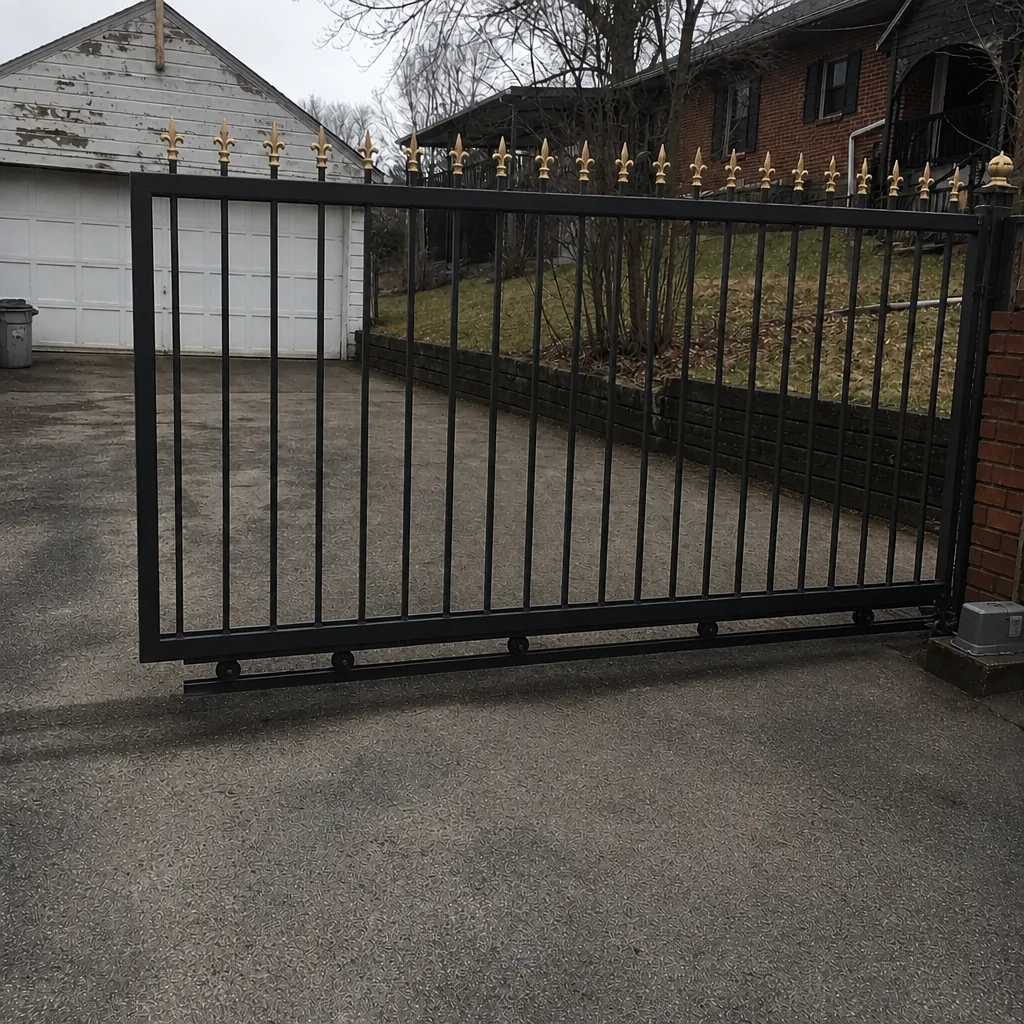
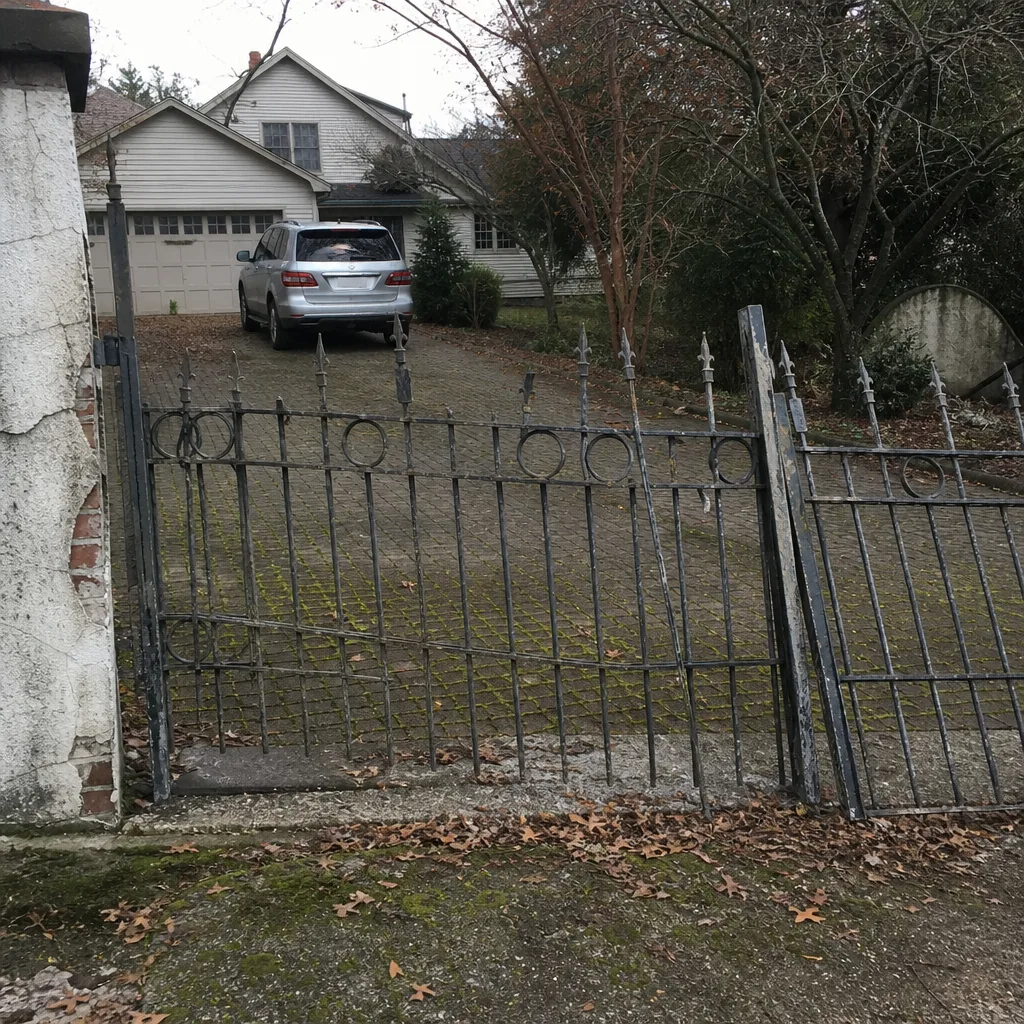
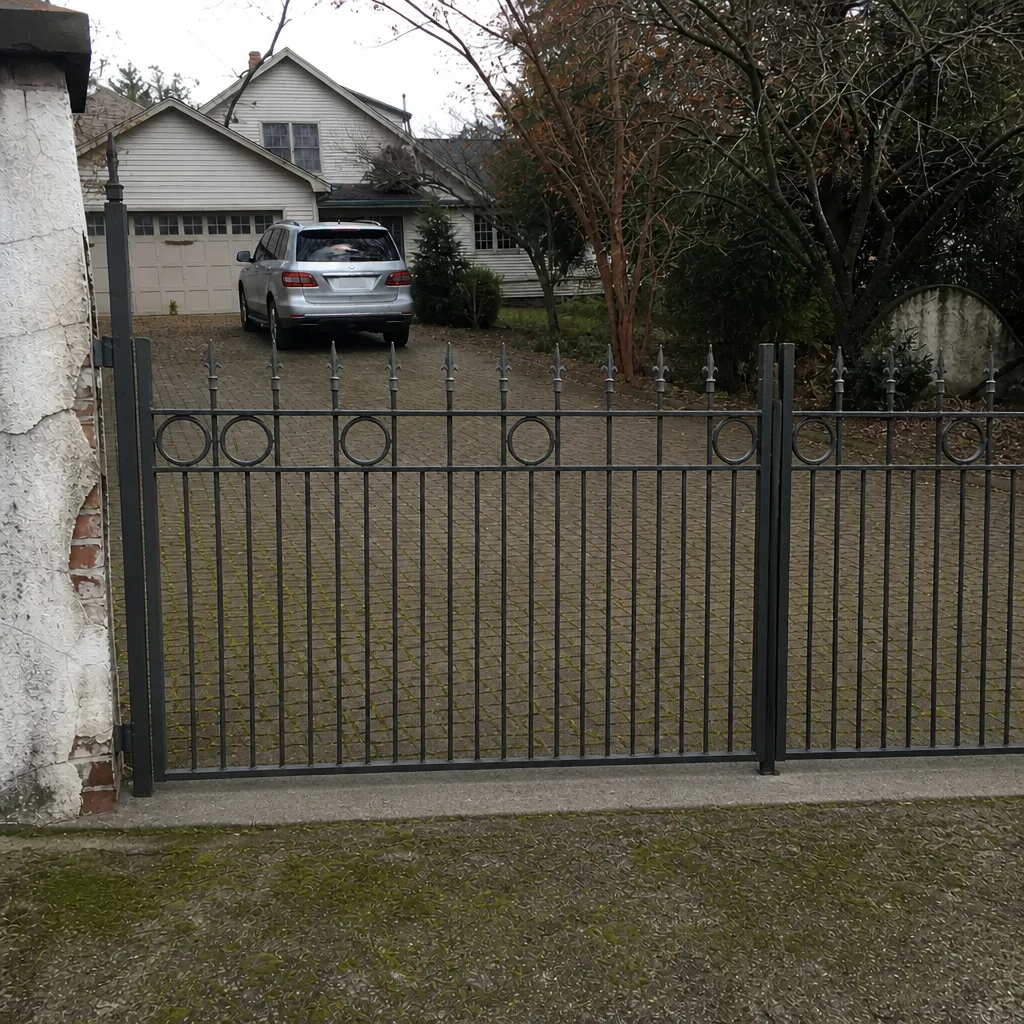
See the difference
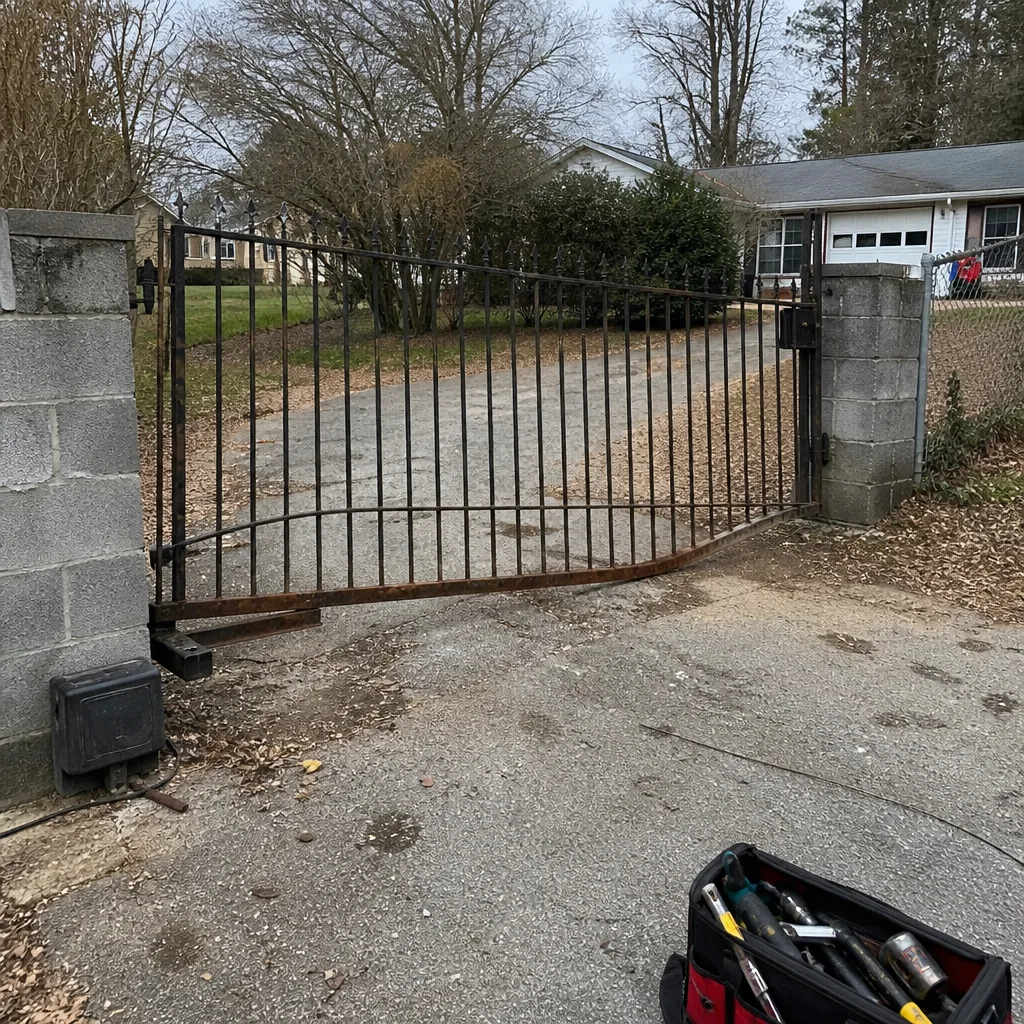 Before
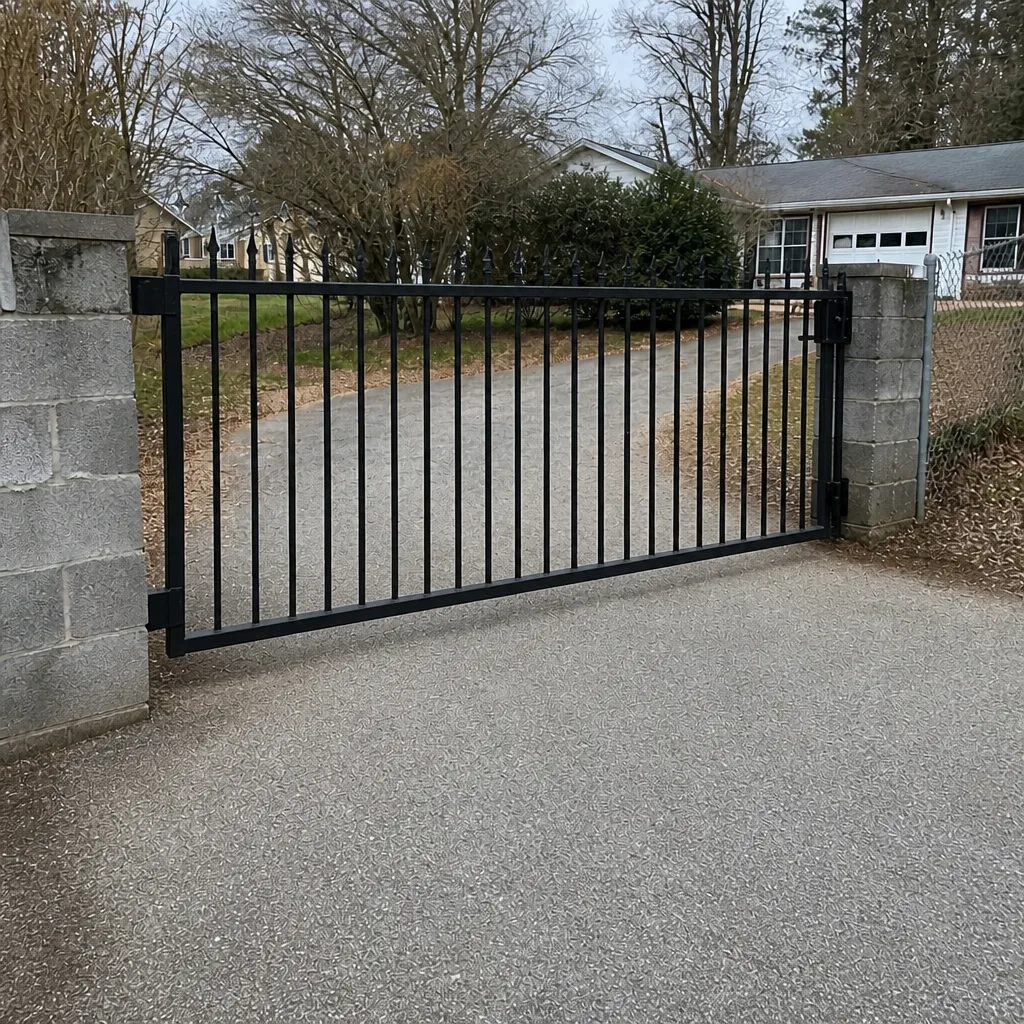 After
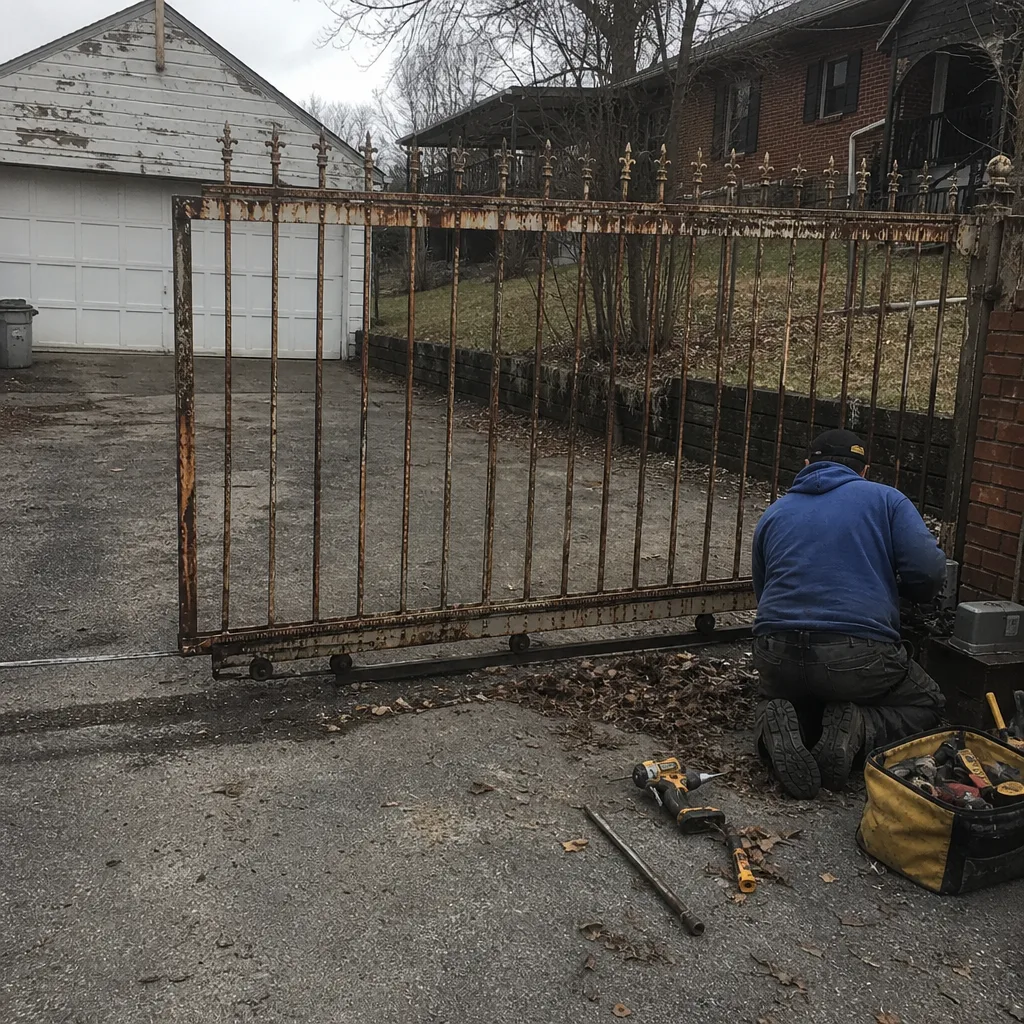 Before
 After
 Before
 After
When to Call a Professional
Some situations call for a technician, and knowing which ones saves you from turning a repair into a bigger job. Call a professional if the operator will not respond to the remote and the breaker is on, if the gate binds at a point even though the path is clear, if the control board beeps or faults and will not reset, if the safety sensors reverse the gate constantly with nothing in the way, or if the manual release itself will not operate. Wiring and power at the operator are not a homeowner job. Call (866) 361-6964 for a free estimate in Knoxville and we will get a technician to you on the schedule. Electrical gate repair, control boards, loop detectors, and wiring are handled in-house rather than sent elsewhere, so you deal with one provider across the life of the system. If you are weighing a repair against a replacement, ask for an honest assessment of what the gate and operator actually need.
Frequently Asked Questions
You find the manual release on your operator and disengage the gate from the motor, then push it open by hand. Every operator has one, but the method varies by brand. If you have a battery backup, the gate may cycle on the battery without any manual work. Test the release and the battery before you need them, and if the release will not operate cleanly, call a technician rather than forcing it. Call (866) 361-6964 for an exact quote on any repair, and estimates are free.
We work on a specific set of platforms rather than claiming every brand. Those include Ghost Controls, DoorKing, Elite, Mighty Mule, and other major makes across residential and commercial systems. Tell us the brand and model when you call and we will confirm we can handle it. That brand-agnostic approach means the recommendation follows what your gate needs, not what a single-brand dealer happens to sell. Call (866) 361-6964 to check your system.
The price is set per job by a free written estimate after we diagnose the system, so there is no flat emergency rate to quote in advance. What protects you is that nothing starts before the price is quoted and agreed. Have your brand, model, gate type, and symptoms ready so the estimate is accurate the first time. Call (866) 361-6964 for your free estimate.
Your operator brand and model, whether the gate is a swing or slide type, the symptom in plain terms, what changed recently (storm, outage, freeze), and any access notes. Having those ready shortens the call. We answer 24/7, and a call outside dispatch hours is booked into the next opening, Sunday through Friday, 7am to 7pm. Call (866) 361-6964.
No. Forcing a frozen gate stresses the operator and can bend the gate itself. Free the ice and debris first, and use the proper manual release rather than brute force. If the gate still will not move freely, stop and call a professional. The operator’s wiring and capacitors hold a charge, so keep hands out of the housing. Call (866) 361-6964, and estimates are free.
Yes. Installation and repair sit under one provider, so you do not coordinate a separate installer and a separate repair tech across the gate’s life. That covers new builds and system upgrades as well as ongoing repair and electric gate work. For a new installation or an upgrade, we measure and schedule rather than promise same-day work. Call (866) 361-6964 to book a free measure and a written price.
The Bottom Line
Gate emergencies in Knoxville follow a pattern, and a short plan takes most of the sting out of them. Find and test your manual release once a season. Confirm your battery backup still cycles the gate under load. Keep your brand, model, and symptoms ready for a call, and inspect the travel path before re-engaging the motor after a freeze or storm. If a gate is stuck open, park a vehicle or set a barrier and note the time. For anything involving the operator’s wiring, a faulting control board, or a release that will not move, leave it to a trained technician. For more on what we handle, see our gate repair service and our coverage across Knoxville. Our technicians have up to 9 years of experience working across residential and commercial gate platforms.
Call (866) 361-6964 for a free estimate. We answer 24/7. Fast dispatch from 7am to 7pm, Sunday through Friday.
Written by the team at Gate Repair Knoxville.