
Last updated November 15, 2026
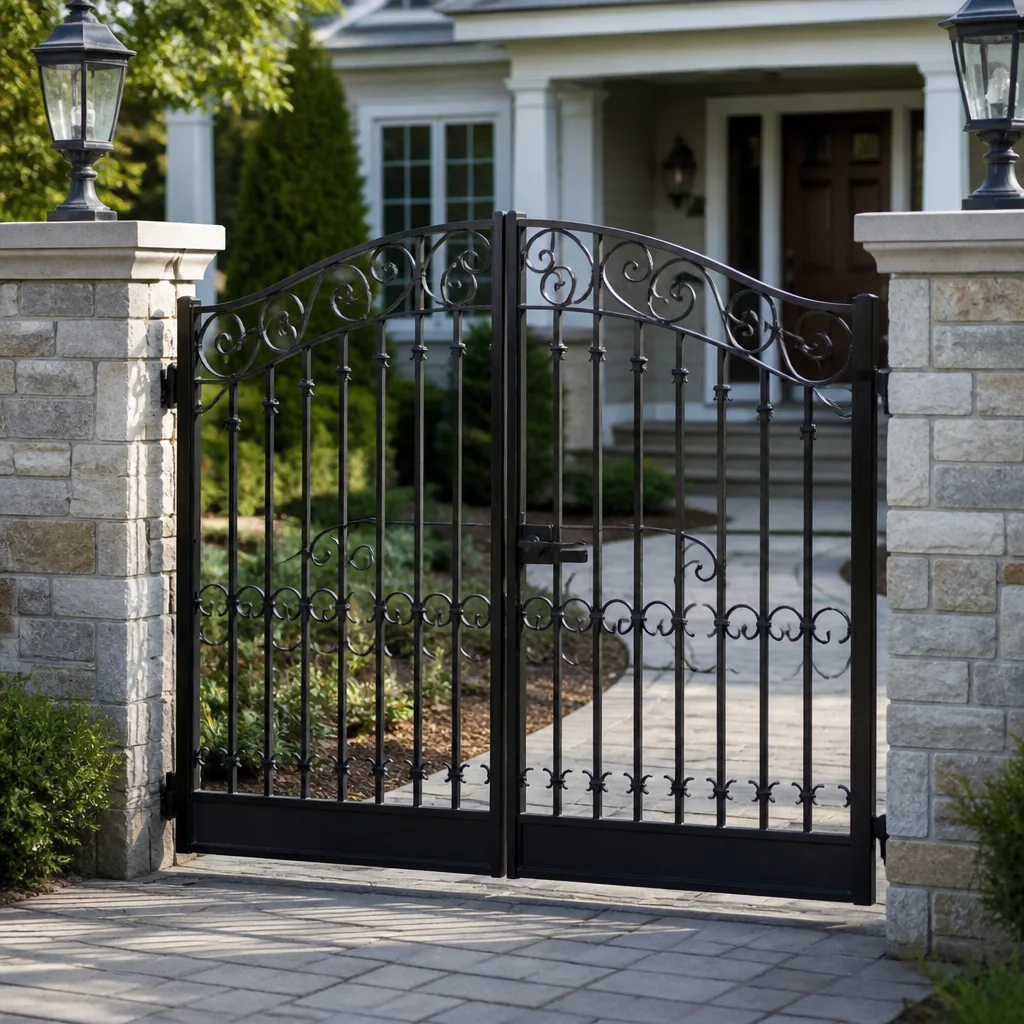 Wrought iron
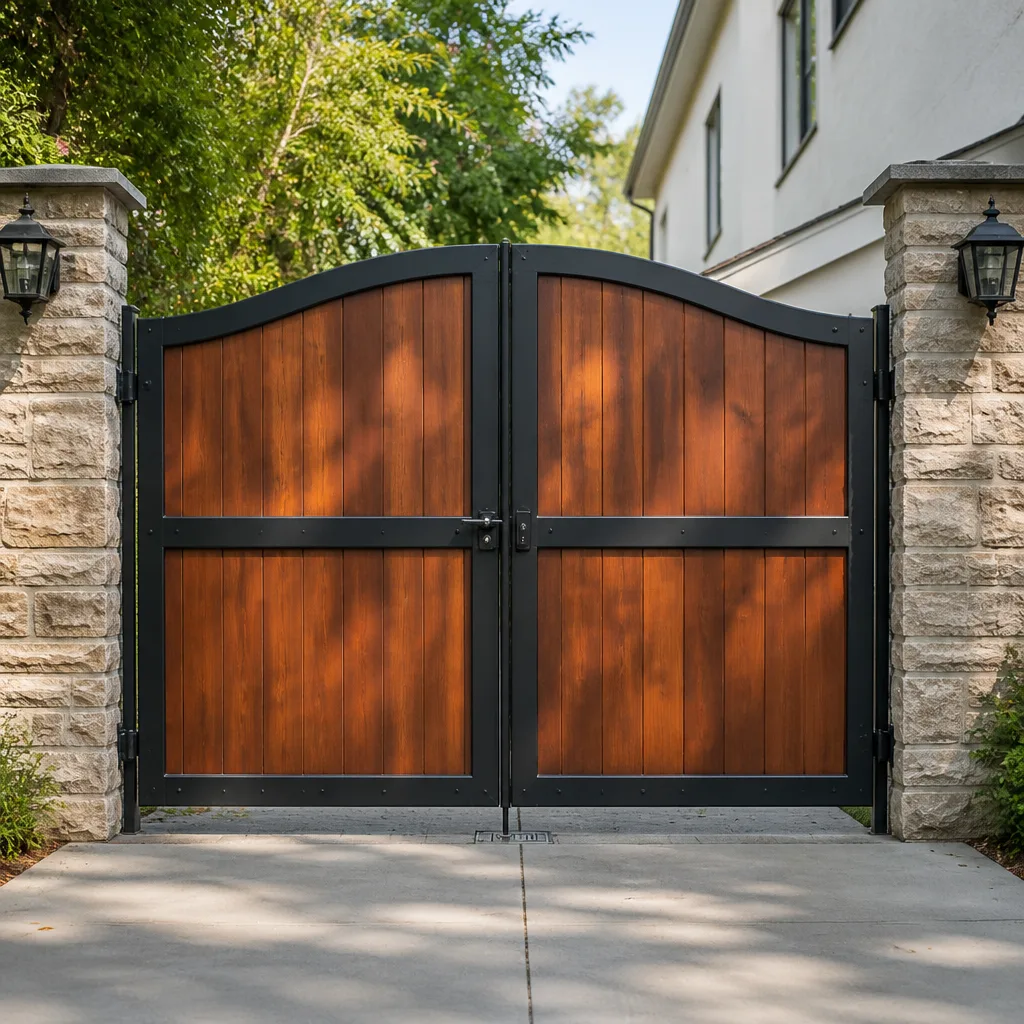 Wood & steel frame
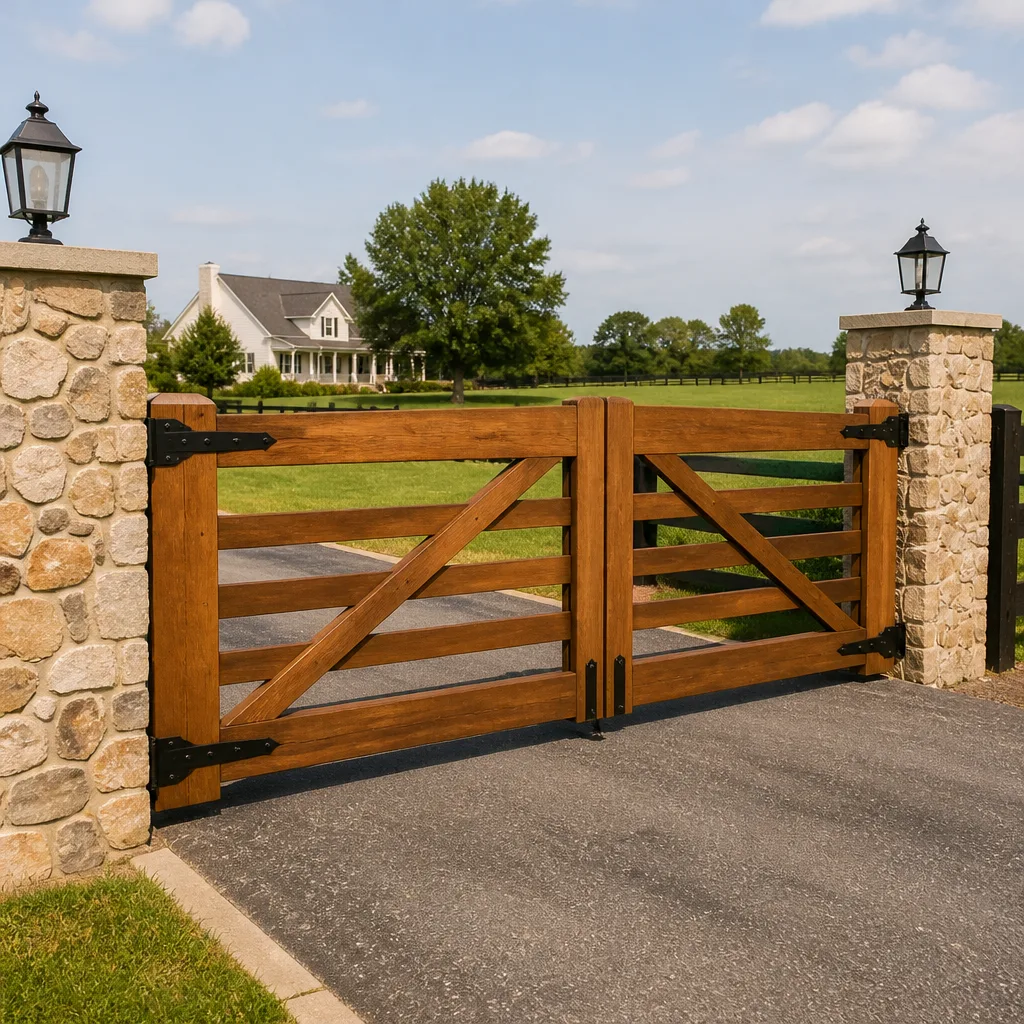 Farm & ranch
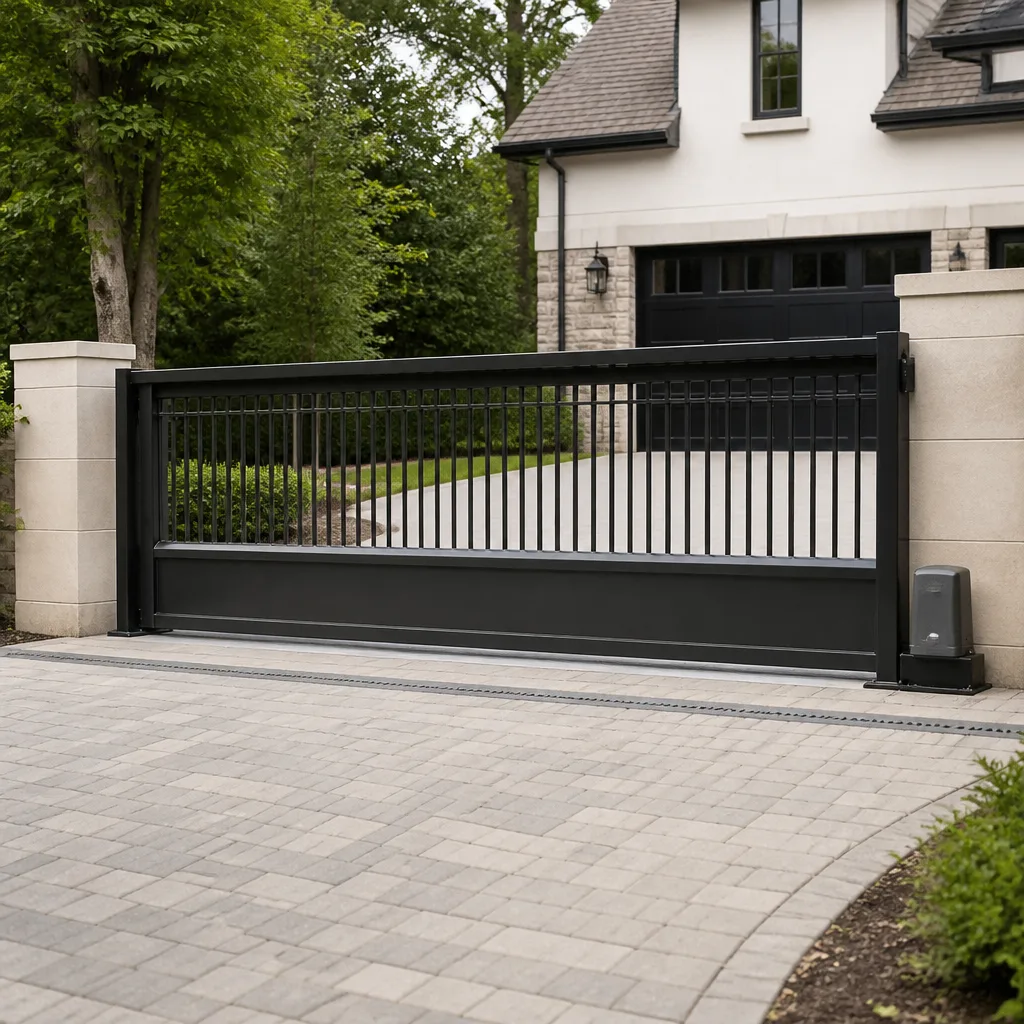 Sliding driveway gates
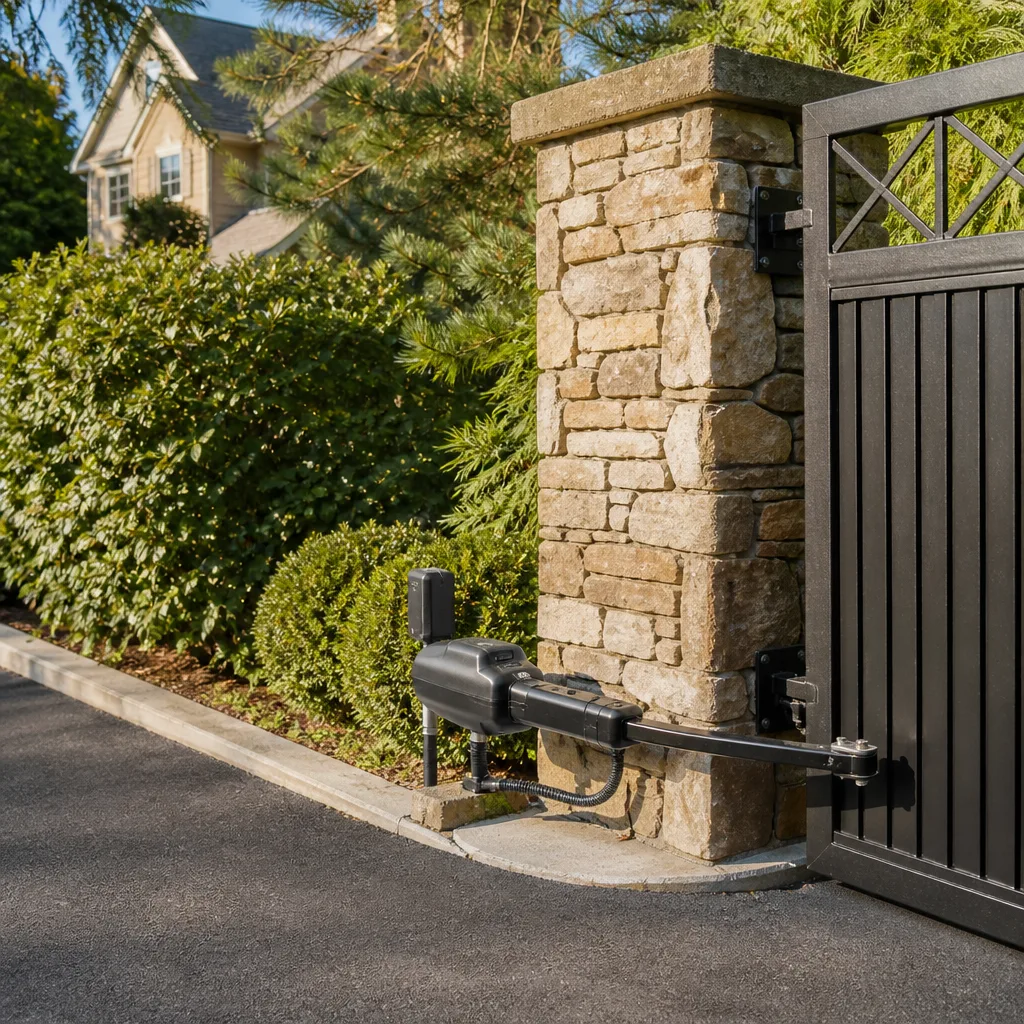 LiftMaster operators
Free on-site gate assessment - hinges, posts, and your LiftMaster or Nice gate operator checked before anything is quoted
The assessment is free and the quote is the invoice.
Get your free estimateHow to Hire a Gate Repair Contractor in Knoxville: A Step-by-Step Guide
Most people hire a gate contractor the same way they’d hire a handyman: they search, they call the first number, they describe the problem. That’s the mistake. A driveway gate is a machine with an operator, a control board, safety sensors and a power supply, and the person who shows up either knows those systems or doesn’t. The interview happens before they arrive, not after. In this guide we’ll show you the exact questions to ask, what a competent answer sounds like, how to check licensing in Tennessee, and how to read a quote so you’re not paying for a replacement when a repair would have done the job. If you’re in Knoxville and your gate just failed, this is the order to do things in.
Quick Answer
To hire a gate repair contractor in Knoxville, ask which operator brands they service and whether electric gate repair is handled in-house or referred out. Verify their Tennessee contractor license and insurance before work begins, get a written scope with a stated diagnostic approach, and walk away from any quote that pushes a full replacement before anyone has diagnosed the actual fault. A specialist can name the brands on your property and explain how they differ; a generalist can’t.
Styles & brands we work with
- Wrought iron
- Wood & steel frame
- Farm & ranch
- Sliding driveway gates
- LiftMaster operators
Table of Contents
- Why a Gate Specialist Is a Different Hire Than a Handyman
- The Five Interview Questions That Reveal Technical Competence
- Why Single-Brand Dealers Push Replacement Over Repair
- How to Verify Licensing and Insurance in Tennessee
- Red Flags in a Gate Repair Quote
- What a Proper Written Scope of Work Should Include
- How Knoxville Weather and Terrain Affect Gate Systems
- What the Repair Visit Should Look Like, Step by Step
Why a Gate Specialist Is a Different Hire Than a Handyman
A gate is not a fence with a motor bolted on. It’s an access control system, and it fails in ways that have nothing to do with carpentry. When your gate stops opening, the cause could be a dead control board, a misaligned safety loop detector, a failed limit switch, a short in the low-voltage wiring, or a gate panel that has shifted on its hinges far enough that the operator’s safety reverse trips every cycle. A general contractor can look at all of those and describe them. A gate technician can test them.
That difference matters in Knoxville for a practical reason: this city has a mix of older residential properties with swing gates on sloping driveways, newer subdivisions with slide gates on flat lots, and commercial and multi-access properties running heavier operators with loop detectors and keypad entry. Each of those setups fails differently, and each one calls for someone who works on that class of equipment regularly.
The specialization question also tells you what happens after the diagnosis. A company that works across brands, from entry-level residential openers to heavy-duty commercial systems, can match a component to your existing operator. A company that only touches one or two brands will either work outside its comfort zone on yours or steer you toward equipment it already knows.
What we look for in our own work: can the technician say, without looking it up, what kind of operator you have, whether it’s a swing or slide gate, and whether the panel is rated for the operator’s push force? Those answers come from seeing a lot of systems, not from a general construction background. Our technicians have up to 9 years of experience, and the range of brands they’ve worked on matters more than any single job.
The Five Interview Questions That Reveal Technical Competence
Ask these on the phone before you book a visit. You’re listening for specifics, not confidence. A specialist will answer in plain terms; someone bluffing will answer in generalities or steer the conversation back to scheduling.
- Which operator brands do you service, and which parts do you carry or source locally? A good answer names brands, and then distinguishes between them. We work on LiftMaster, DoorKing, Elite, Mighty Mule and several others, and we can tell you which of those are typical on residential driveways versus commercial entrances. An answer of “whatever you have” is a sign the technician hasn’t worked across enough platforms to know they’re not interchangeable.
- Do you handle electric gate repair in-house, or do you refer the electrical side out? The operator, control board, sensors and wiring are the parts that fail most often. If those get referred to a second company, you’re now coordinating two contractors and two invoices, and nobody owns the diagnosis end to end.
- How would you diagnose a gate that opens on its own? This is a classic phantom-trigger symptom. A competent answer mentions the safety loop detector, the receiver picking up a stray signal, a stuck keypad button, or a faulty limit switch, and says the technician tests each before recommending anything. A vague answer is a red flag.
- What’s your diagnostic process, and is the estimate free? The estimate should be free and the price should be set per job by a written estimate. You should hear something about how they test before they quote, not a flat menu of repairs.
- Do you install as well as repair? Not because you need an install right now. Because a company that does both will tell you when a repair is the right call and when it isn’t. A repair-only shop can’t really weigh replacement, and a replacement-focused shop has its own incentive.
One more question worth asking: what’s the fault history on your specific operator model? A technician who has worked on your brand repeatedly can describe common failures on that line without checking. That’s the kind of familiarity that saves you money on a wrong part.
Why Single-Brand Dealers Push Replacement Over Repair
A single-brand dealer has an obvious financial bias when it works on a competitor’s equipment. It doesn’t stock parts for the other brand, so the repair requires special order and a return trip, or it recommends a full replacement with equipment it does carry. Either way, the incentive is to move you toward its own platform rather than fix what’s already on your property. That’s not a knock on any brand; it’s a structural conflict of interest that comes with exclusivity.
Brand-agnostic service avoids it. If your gate runs on DoorKing, a specialist who also works on FAAC, BFT and LiftMaster has no reason to talk you out of repairing a DoorKing operator. The recommendation follows the diagnosis, not the inventory.
This is the part of the hiring decision most people miss. Ask any candidate whether they sell a specific brand. If they do, ask whether they’ll repair a competitor’s system and what they’d charge to source parts for it. A straight answer here tells you a lot.
It’s worth knowing what replacement actually involves before you accept one. A full replacement means a new operator, new wiring runs or a re-use of the existing circuit, new safety devices, and remounting the operator to a gate that may or may not need adjustment. That’s real work and a real cost. So the diagnosis has to be right. If the technician can’t tell you specifically why your operator is beyond repair, ask them to. A failed control board on an otherwise sound operator is a repair. A seized gearbox, a bent arm or a gate panel that’s past saving is a different conversation.
How to Verify Licensing and Insurance in Tennessee
Tennessee regulates contractors through the Tennessee Board for Licensing Contractors, and its public database lets you look up a license number, the license class and whether it’s active or expired. Any contractor doing home improvement work in the state above a certain job value is required to hold a license, so ask for the number and check it yourself. Look the company up in the state database; don’t rely on a number printed on a truck or a business card.
Insurance is the second check, and it’s separate from licensing. Ask for a certificate of insurance naming general liability coverage, and ask to be listed as additional insured if the job is large enough to warrant it. A gate install involves mounting hardware, trenching for wiring and lifting heavy panels, so the coverage question isn’t theoretical. Also ask about workers’ compensation coverage for anyone who will be on your property. If a crew member is injured and the company isn’t covered, the exposure can come back to you.
What coverage minimums matter? We won’t quote you a number from memory, because the right figure depends on the job. The practical standard is: ask for the certificate, read the limits, and confirm that the policy is active for the date of work. If a contractor is cagey about any of this, treat it as an answer in itself.
For a commercial property or a multi-access gate system, the verification step usually includes a few more items: proof of current coverage before the work order is issued, a named point of contact on the contractor’s side, and confirmation of who’s responsible for gate access during the repair so your tenants or employees aren’t locked out. That’s less about trust and more about documentation, and a commercial-grade gate company will expect the question.
We can’t point you to a specific policy number or coverage figure, because those must come from the company you’re hiring. What we can tell you is what to ask for. Get it in writing before anyone touches the gate.
Red Flags in a Gate Repair Quote
A quote is a test of transparency. Vague line items, missing diagnostics, and pressure to sign on the spot are the three most common problems, and each one has a specific tell.
- Line items like “repair gate – $X” with no breakdown. A real quote names the parts and the labor to install them: control board replacement, operator adjustment, loop detector replacement, wiring repair, hinge realignment. If the quote says “gate repair” and nothing else, you don’t know what you’re buying.
- No description of the diagnostic process. If the technician hasn’t told you what they tested and what they found, they may be guessing. Ask what testing confirmed the fault and write the answer down.
- Same-day pressure to decide. A stuck gate is urgent, but urgency isn’t the same as a deadline. If a contractor says the price is only good today, that’s a sales tactic. The written estimate should be valid long enough to compare it with one other quote.
- A replacement recommendation before diagnosis. If a full replacement is suggested before the operator has been tested, the diagnosis isn’t the driver. Ask for the specific test result.
- No service-call or diagnostic structure. You should know up front what’s included and what the final price will be based on. The estimate is free; the final number is per job, in writing, before work starts.
- “We’ll figure it out on site” on scope. That’s a reasonable thing to say about the diagnosis. It’s not a reasonable thing to say about the scope. You should know what the likely failure is and what the cost range looks like before the visit.
- Parts available only if you upgrade. A quote that says the actuator is on backorder unless you buy a new operator is a financing pitch, not a repair. Ask whether the specific part can be sourced and how long it takes.
What a Proper Written Scope of Work Should Include
The written scope is the document that protects you. It should describe what’s wrong, what’s going to be fixed, how long it should take and what happens if the diagnosis changes. A proper scope for gate repair includes six things:
- The diagnostic finding. What was tested, what failed, and what the evidence was: a fault code, a voltage reading, a visual inspection of the component. One sentence is enough if it’s specific.
- The parts being replaced. Name and model where possible. “Control board for your existing operator” with the model number is better than “electronic component.”
- The labor being performed. Replacement, adjustment, wiring, alignment or testing. If the gate needs realigning after a component swap, that should be listed.
- A price stated as a range or a fixed number, with the final price confirmed before work starts. The written estimate sets the final price. Any change to scope should be re-quoted, not assumed.
- The two protective clauses. First, a conditional clause that says if the diagnosis reveals a different fault, the work and price will be re-quoted before proceeding. Second, a scope-limit clause stating what the quote does and doesn’t cover, so testing of unrelated systems isn’t billed as part of the repair. Both keep you from paying for a second job you didn’t authorize.
- Access and scheduling terms. Who unlocks the gate, what happens if the gate can’t be moved manually, and when the property needs to be closed to vehicle traffic. For commercial sites, this often matters more than the price.
Ask for the quote in writing before anyone starts. If the contractor won’t put the scope down on paper, that’s a sign the conversation is about the sale and not the repair.
How Knoxville Weather and Terrain Affect Gate Systems
East Tennessee’s weather puts particular demands on outdoor equipment. Knoxville sits in a valley with humid summers, freeze-and-thaw cycles in winter and a steady dose of thunderstorms and wind, and each one has a known effect on gate hardware.
Humidity is the slow one. It works on control enclosures, terminal blocks and wiring connections, and it’s the reason a gate that worked all summer can fail in the first cold snap. Freezing temperatures stiffen grease, and a marginal operator that was already struggling can fail under the extra load. Wind loads gates unevenly, which is where hinge alignment and slide-track alignment become part of the maintenance picture. And the valley’s summer storms are a common cause of power-related failures: brownouts and surges are hard on control boards and receivers.
The residential patterns matter too. Knoxville has a lot of driveways with slopes and older gates that have been in service long enough to have shifted. That means realignment is often part of the repair, not an afterthought. If your gate is on a slope, ask whether the technician will check hinge and post alignment along with the operator.
If you’re dealing with a failed gate and want it looked at, the local landscape is a mix of single-family and commercial properties, so the right specialist should be comfortable working on both. You can start with Gate Repair Knoxville for the full picture of what we handle.
What the Repair Visit Should Look Like, Step by Step
Knowing the sequence helps you spot a technician who’s skipping steps. Here’s how a competent repair visit on a typical gate should go:
- Verify the site. Confirm gate type (swing or slide), operator brand and model, and how the gate is powered. Test whether the gate can be moved manually before any power is restored.
- Check the obvious first. Power supply, fuses, breaker, and any visible damage to wiring or the operator housing. This is basic and saves a lot of guesswork.
- Read the fault indicators. Most operators report faults through LEDs or a diagnostic board. If the technician skips this step and starts replacing parts, ask why.
- Test the safety devices. Loop detectors, photo eyes and safety edges are the parts most likely to cause phantom opens and premature stops. They should be tested individually.
- Test the operator under load. Run the gate through a full cycle and observe the behavior. Does it stall, reverse, run slow at one end, or overshoot? Each points to a different component.
- Confirm the diagnosis in writing. Before any part is ordered, you should know what failed and what it costs to fix. If the repair turns out to be something else, the conditional clause in the scope covers you.
- Test the repaired system and walk you through what changed. A switch test, a safety-device test, and a short explanation of what was replaced. You should know what to watch for next.
If your gate is stuck, this sequence matters right now. Gate Repair Knoxville offers free estimates in Knoxville – call (866) 361-6964.
Common Mistakes to Avoid When Hiring Gate Repair in Knoxville
- Hiring based on the first search result without asking about brands. Call two contractors and ask the brand question. The difference in answers is the fastest way to tell a generalist from a specialist.
- Accepting a replacement quote before a diagnosis. A gate that opens fine by hand but won’t run under power has a specific, testable fault. If nobody tested it, nobody knows what’s broken.
- Skipping the license check. Tennessee has a public licensing database; use it. A license number on an invoice is not the same thing as an active license in the state system.
- Ignoring the scope of work. A quote that doesn’t state what’s included and what happens if the diagnosis changes leaves you exposed to a second bill. Ask for both clauses in writing.
- Assuming “we do all brands” means genuine brand fluency. Ask them to name three operators and tell you how they differ. The answer is the proof.
- Overlooking gate access for commercial sites. If the gate is your only vehicle entrance, plan the closure window before anyone arrives, not during the visit.
- Not asking about the electrical side. Whether it’s an operator, control board, safety loop or keypad, electric gate repair should be handled in-house. If it’s referred out, you own the coordination.
- Letting a gate stay open “for now.” A stuck-open gate is an access gap for the whole time it stays that way. Treat the security exposure as the reason to act, not the minor annoyance.
When to Call a Professional
Some gate problems are straightforward: a dead remote battery, a keypad that needs its code reset, an obstruction in the track. Most aren’t. Call a professional when the gate won’t move under power at all, when it opens on its own, when it stops halfway through a cycle, when the operator runs but the gate doesn’t move, or when the gate has shifted so far on its hinges that it drags. Call before you open the operator housing; the wiring inside carries mains voltage, and the gate panels themselves can be heavy enough to cause serious injury if a hinge gives way while you’re working on it. Those are the jobs where the cost of a wrong diagnosis, or a mistake under load, is real.
For a jammed, stuck or phantom-opening gate, our gate repair team handles the full range of operators and controls. Estimates are free, and the price is confirmed before work starts.
Frequently Asked Questions
The price is set per job by the written estimate, and it depends on the fault: a control board replacement, a wiring repair and a safety loop replacement are different jobs with different parts. The estimate is free, so the practical answer is to get the diagnosis first. Call (866) 361-6964 for an exact quote – estimates are free.
We answer 24/7, and we can often get same-day dispatch for repair jobs. Fast dispatch runs from 7am to 7pm, Sunday through Friday. Call (866) 361-6964 and we’ll tell you what the schedule looks like for your gate.
We work on LiftMaster, DoorKing, Elite and Mighty Mule among others, spanning residential and commercial tiers. That range is the reason we can repair the brand you already have instead of pushing a replacement. Tell us the brand and the operator model when you call; the more specific you are, the faster the diagnosis.
Repair is usually the right call when the fault is a component and the gate panel and operator housing are sound. Replacement makes sense when the operator is seized or the panel has structural damage. A written diagnosis is the only way to make that call properly, and any quote that recommends replacement before testing should be questioned. Call (866) 361-6964 for a free estimate.
Ask which brands they service and whether they handle electric repair in-house. In Tennessee, verify their contractor license through the state’s public database and ask for a certificate of insurance. Then get the scope in writing: the diagnosis, the parts, the labor and a clause for what happens if the diagnosis changes. Call (866) 361-6964 for an exact quote – estimates are free.
Most repairs to an existing gate and operator don’t require a permit, but new installation and electrical work may involve the city, and the rules depend on the scope. Ask the city before work begins rather than after. The written scope should state clearly whether the work is a repair and what has been checked.
The Bottom Line
Hiring a gate contractor in Knoxville comes down to a few checks you can make on the phone. Ask which operator brands they work on, and listen for specifics. Confirm that electric repair, control boards and safety devices are handled in-house rather than referred out. Verify their Tennessee license and insurance. Get the scope in writing with the diagnosis and the protective clause for a changed finding. And treat a replacement recommendation that arrives before a diagnosis with real skepticism. For more background on the area and what a repair involves, our Knoxville page covers the local picture. Do these things before anyone touches the gate, and you’ll have a repair that holds up rather than a second visit to fix the first one.
Gate Repair Knoxville works on LiftMaster, FAAC, BFT, Linear, Viking, Ghost Controls, DoorKing, Elite and Mighty Mule systems for residential and commercial properties, and we handle both installation and repair. Our technicians have up to 9 years of experience, and estimates are free. Call (866) 361-6964. We answer 24/7. Fast dispatch from 7am to 7pm, Sunday through Friday.
Written by the team at Gate Repair Knoxville.
See the difference
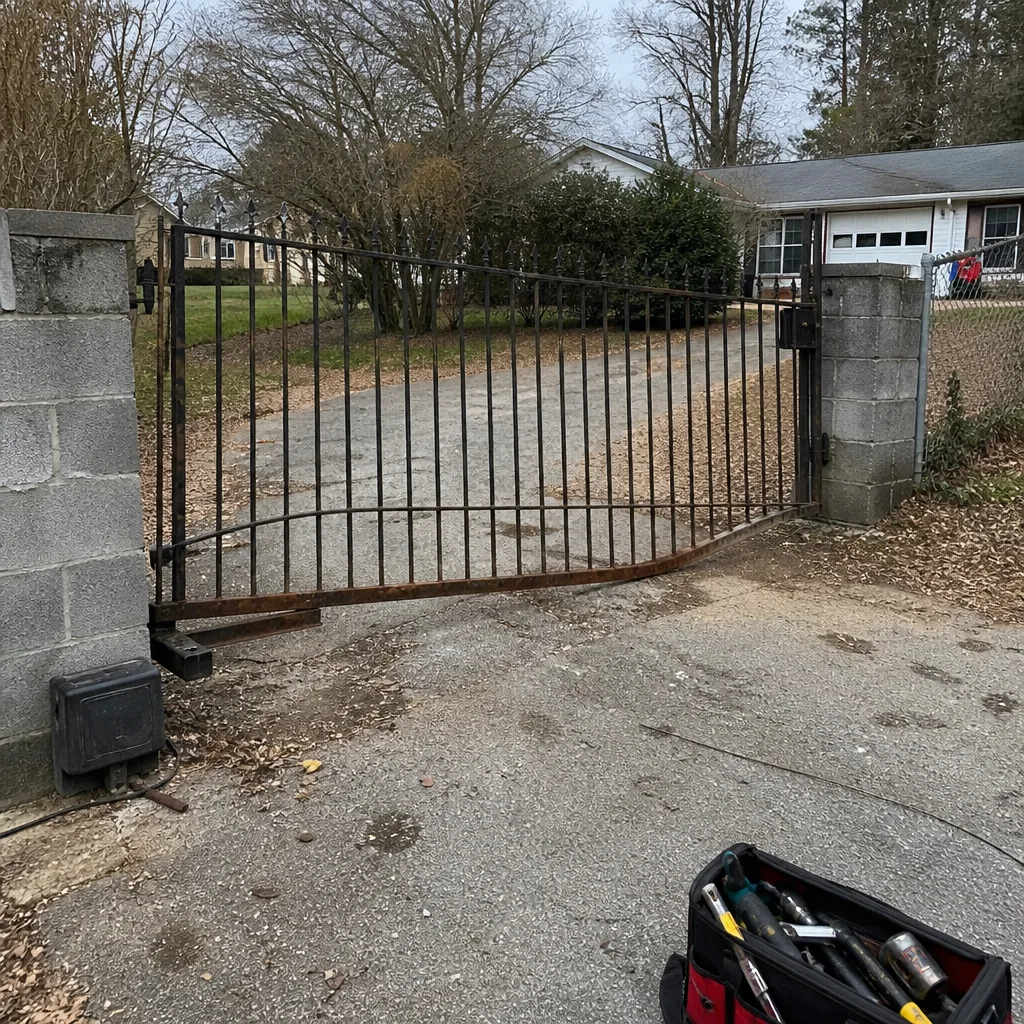 Before
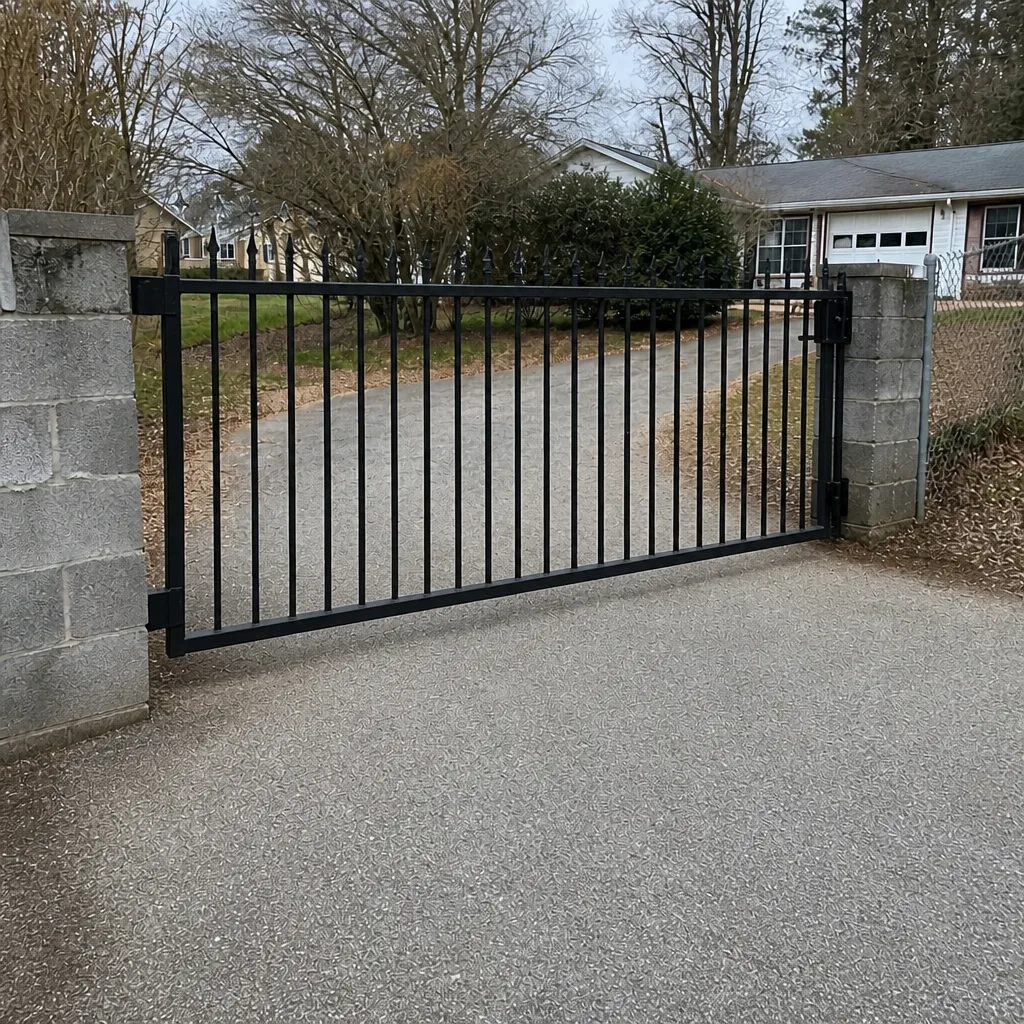 After
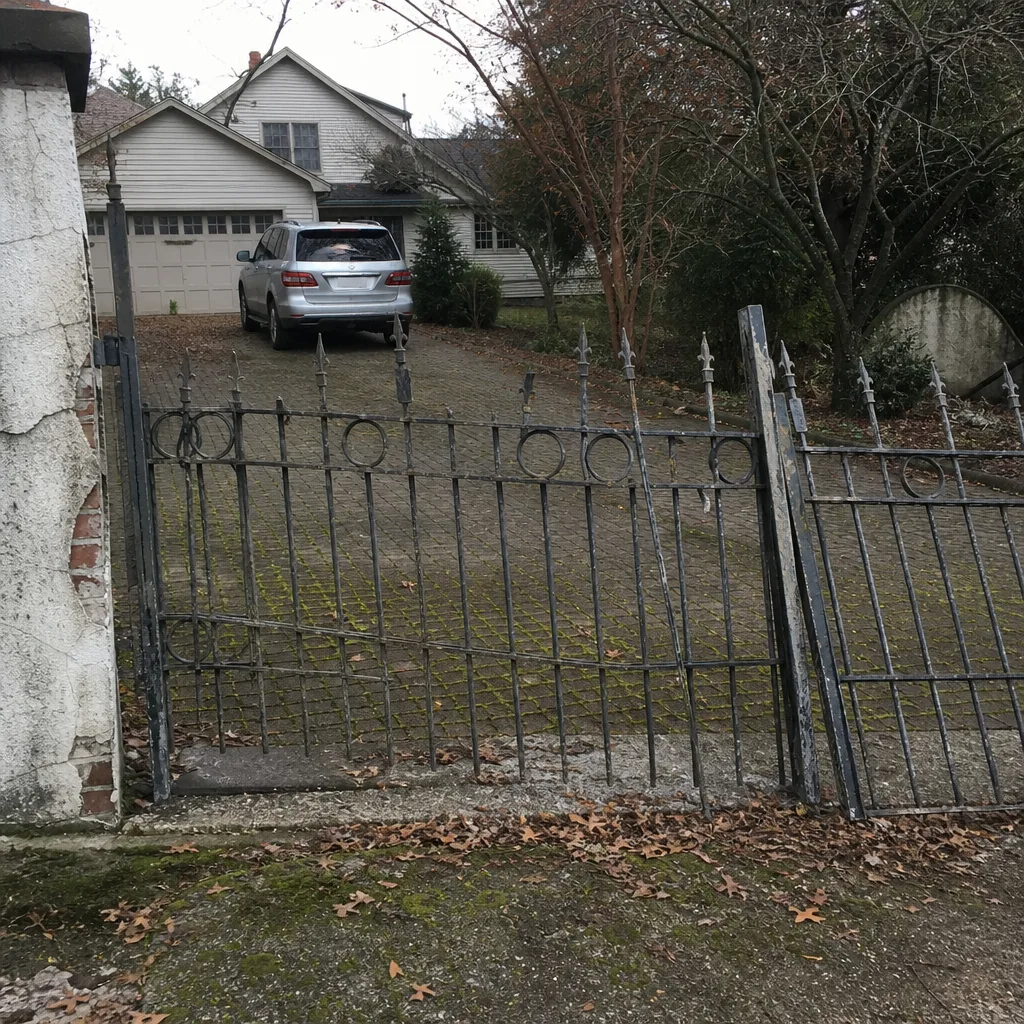
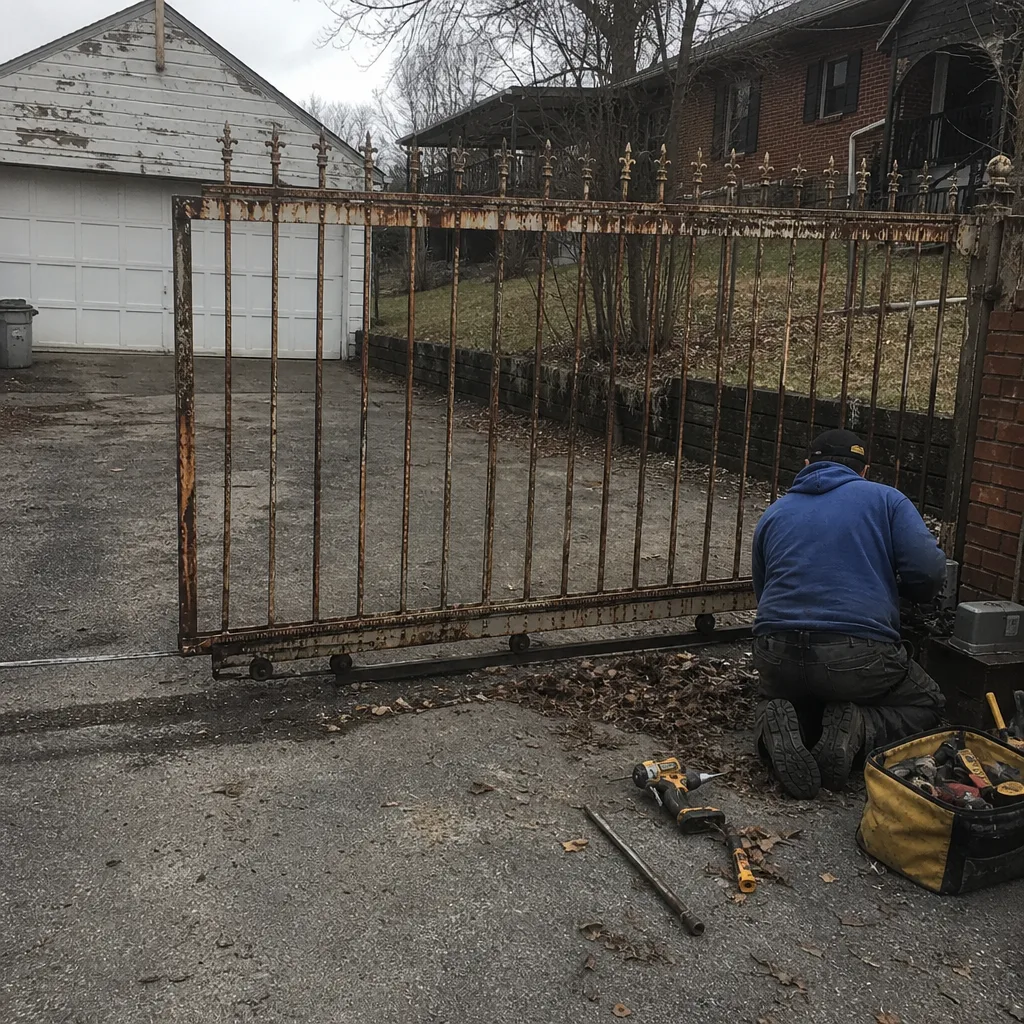 Before
 After
 Before
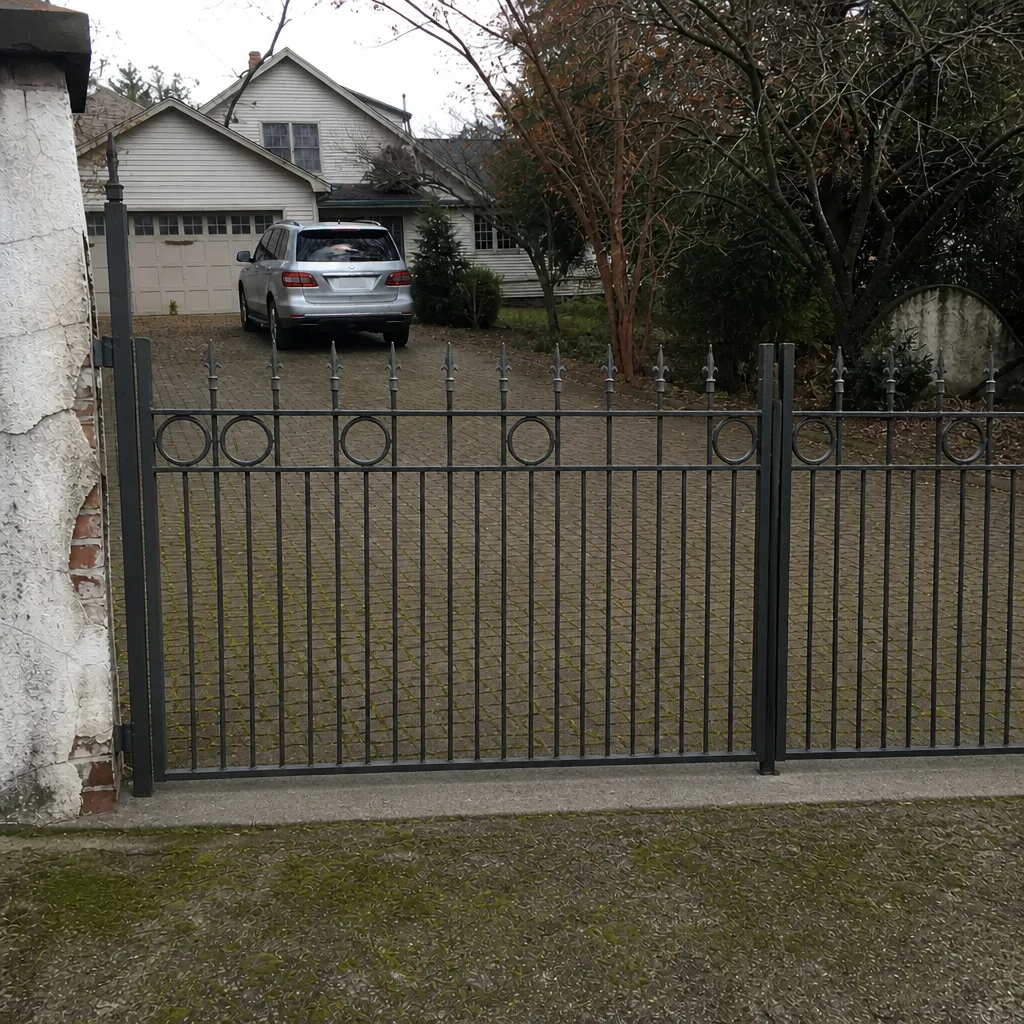 After